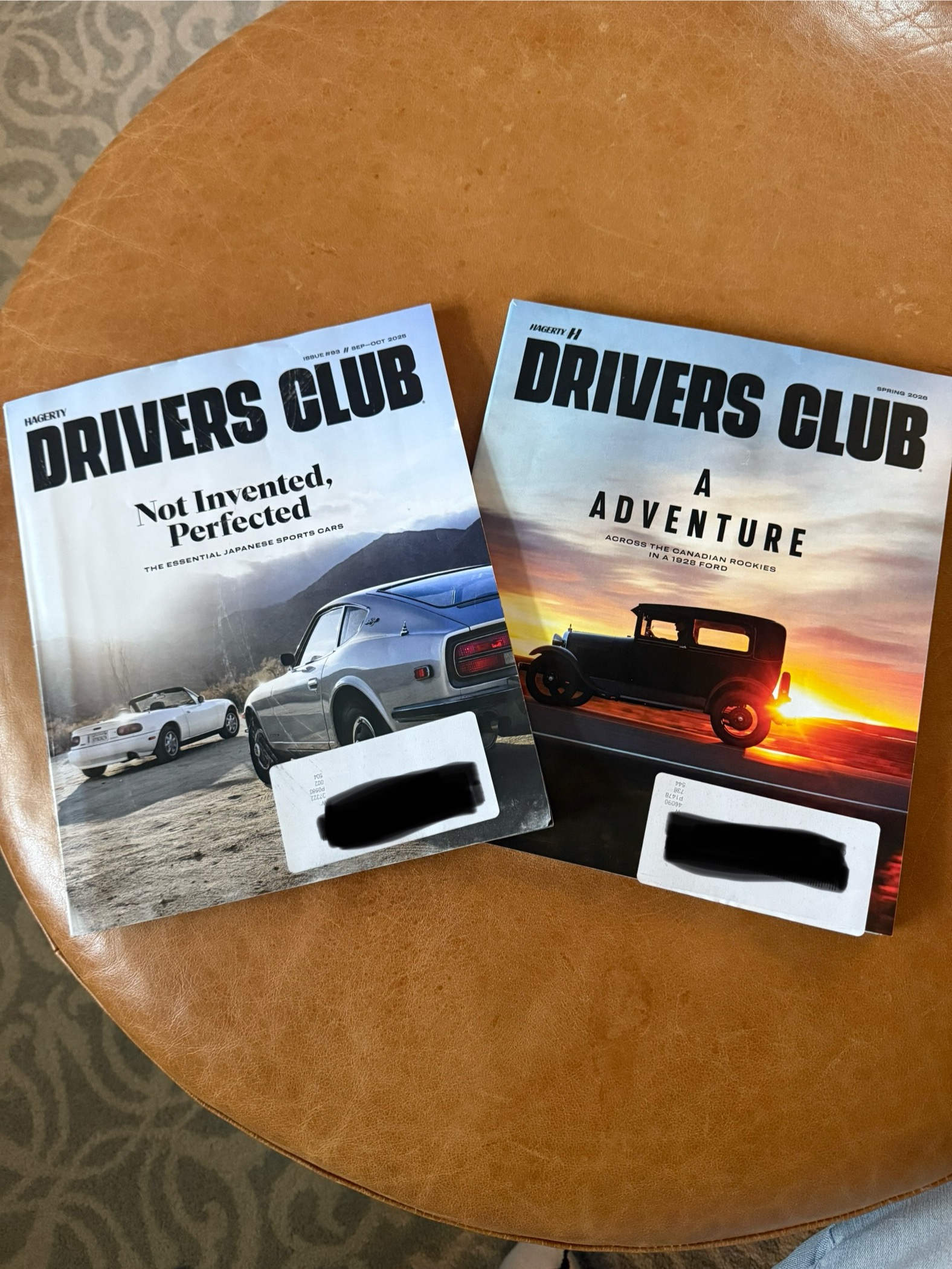
March brings the spring edition of Hagerty’s Drivers Club magazine, a quarterly publication that I enjoy receiving as part of my membership, which comes with my insurance policy. I’ve been insuring my hobby cars with Hagerty for a few years and always enjoy reading the stories of fellow enthusiasts and cars that I’ve owned—or plan to own. A recent issue covered a 240Z, one that I’m planning to go back and revisit as my next S30 should be arriving this week.
The cover story for the Drivers Club Spring 2026 issue is titled “An Adventure” and follows Dave Hord’s 727-mile road trip across the Canadian Rockies in a 100-year-old Ford Model A. Dave tells the tale of buying the Model A sight unseen, assessing its roadworthiness upon arrival, and enlisting the help of fellow enthusiasts to prepare for the journey. With spare parts, ingenious roadside repairs, and a high degree of enthusiasm, the group set off on their trek.
Dave’s story reminded me of the number of times I’ve bought a car sight unseen and then embarked on a long trip home, full of optimism and perhaps a bit too much confidence. I haven’t done it in anything quite as primitive as a Ford Model A, but I’ve certainly approached a few purchases with similar levels of naïveté.
Last month, I shared the story of my first Datsun 240Z—the first car I purchased via an online auction, the first I bought without asking my wife’s permission, and the first of many that I would road-trip home sight unseen. This is the story of the second car I bought without asking permission—and another that I would drive nearly 1,000 miles home. The car was a 1991 Honda Prelude Si in Granada Black with a five-speed manual transmission and just 66,000 miles on the odometer.
Like a bee to honey, I discovered the Prelude in a no-reserve auction listing on Bring a Trailer. With three or four days left in the auction, I placed a bid at a price that would have been a great deal if I won—but one that I expected would certainly climb higher.
With several days still left in the auction—and while I was on a work trip in Hawaii—I forgot all about the Radwood-era icon.
I was sitting in a conference room at a NAPA Auto Parts distribution center in Honolulu when I received a text message informing me that the no-reserve 1991 Honda Prelude auction was ending in 30 minutes. I wasn’t necessarily surprised when I checked the listing and found that I was still the high bidder. Typically, serious buyers hold their bids until the final few minutes to avoid driving up the price too early.
What surprised me?
No more bids came.
I found myself increasingly distracted in my meeting as the realization sank in that I had just bought another car—without telling my wife.
The benefit of being on a tropical island when breaking unexpected news to your significant other is that it at least provides a pleasant distraction.
The Prelude called Phoenix, Arizona home—roughly 1,000 miles from Boise, Idaho, where Aubrey and I were living at the time. Fortunately, I had family in the Valley of the Sun, so I booked a one-way flight to Phoenix and grabbed an Uber to pick up the Honda before spending a little time visiting family and friends in the area. Then it was time to point the car north toward Idaho.
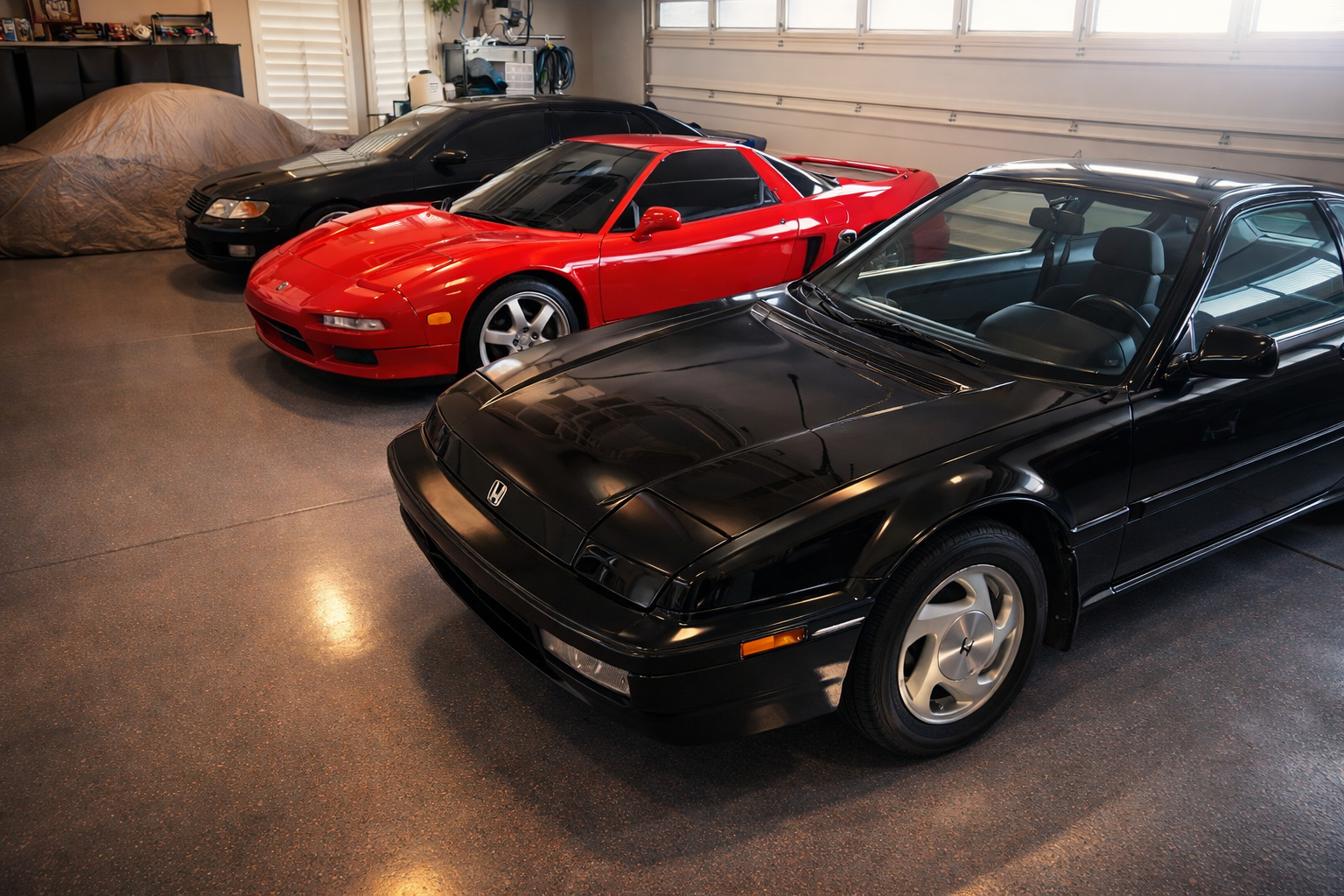
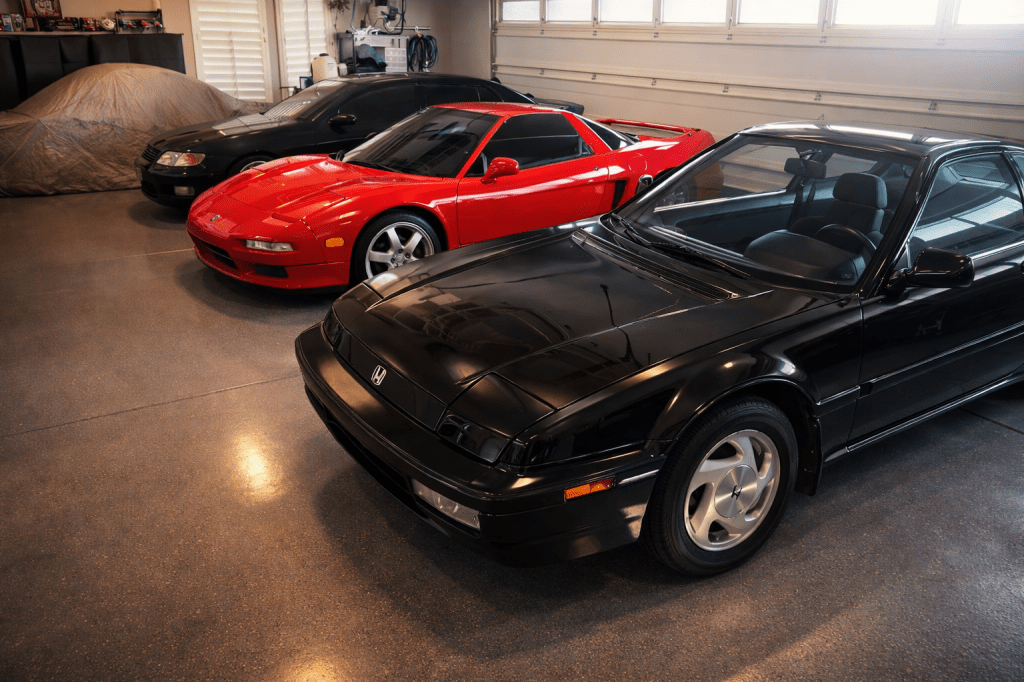
The owner of the Prelude was a classic Honda and Acura aficionado. Sharing the garage with the Si was a red NSX—fitting, considering the styling of the third-generation Prelude is reminiscent of its blue-chip sibling. In fact, later third-gen Preludes were often referred to as “mini-NSXs” thanks to their similar styling.
While this particular example wasn’t equipped with four-wheel steering, it was still the top Si trim and powered by the 2.1-liter B21A1 engine. Hondas have long had a reputation for offering some of the smoothest-shifting manual transmissions in the business, and the Prelude was no exception.
I learned to drive a manual in my uncle’s 1984 Honda Accord—an early introduction to the buttery-smooth gearboxes that would become a hallmark of the brand.
As I pulled away from the seller’s home, a flood of memories came back from the Hondas I’d owned before, all equipped with row-it-yourself transmissions.
1991 marked the final year of the third-generation Prelude before Honda introduced an all-new design for 1992. Final production years often represent the most refined version of a car, and even though I hadn’t driven other examples, this one certainly felt polished and well-sorted.
The three-spoke steering wheel framed a driver-centric dashboard. The seats were comfortable with just enough bolstering for spirited driving, and the view from the cockpit offered virtually no blind spots. In fact, I’m not sure I’ve driven another car that was as easy to see out of as the third-generation Prelude.
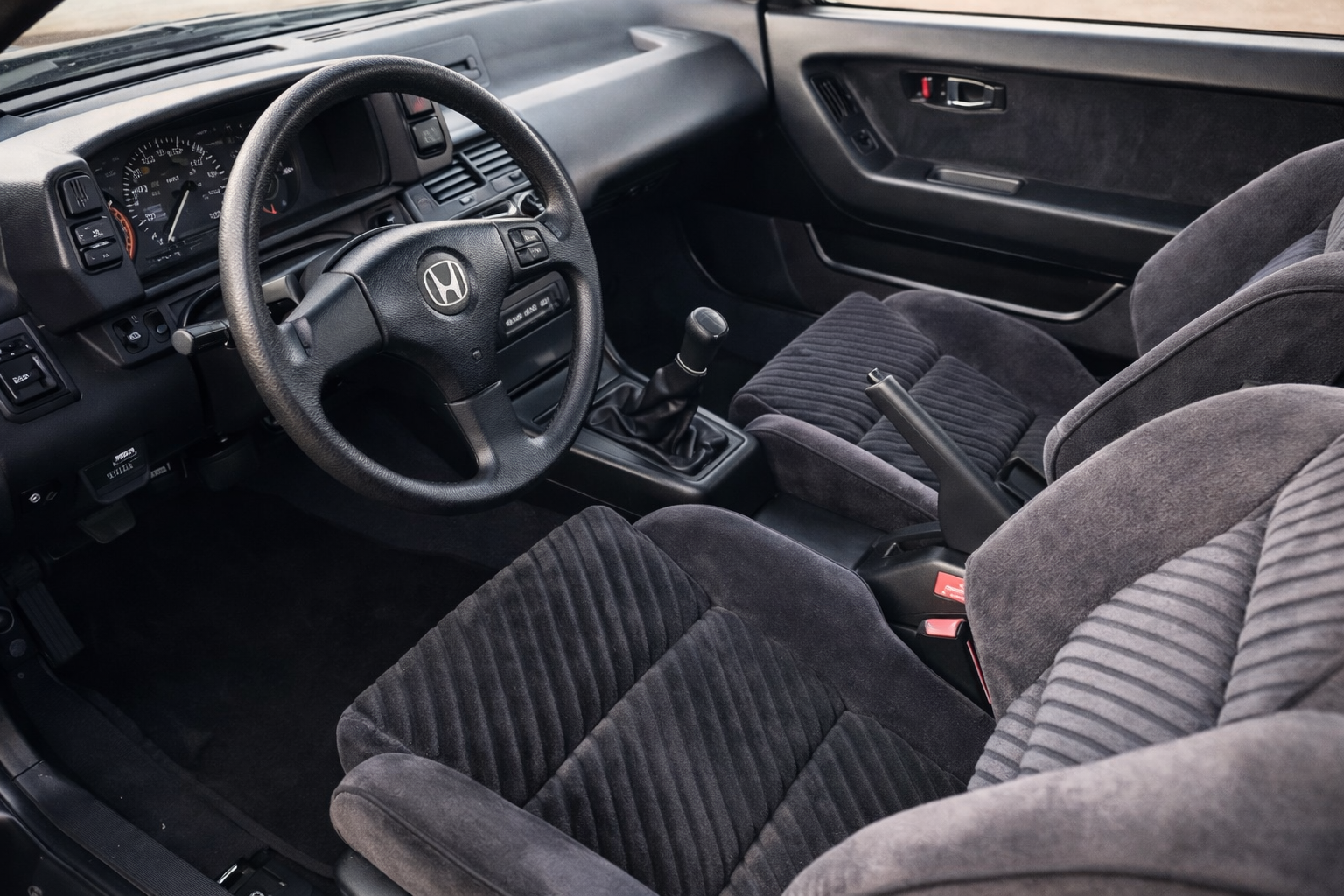
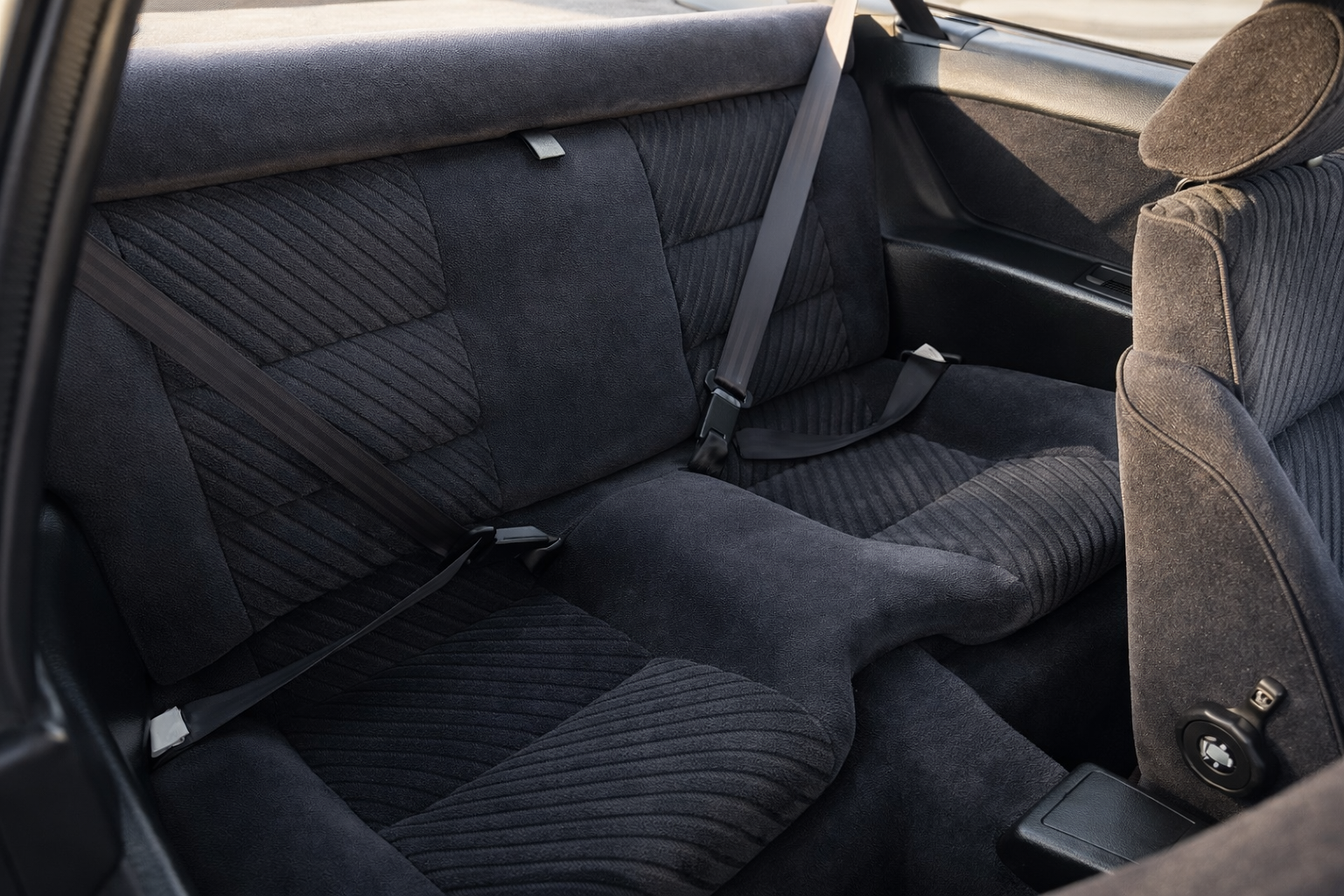
At 28 years old, the Honda wasn’t in showroom condition, but it was lightly used for a car of its age. The interior was clean, free of stains or odd smells, and representative of the build quality that defined Honda’s golden era.
The 2.1-liter engine wasn’t exactly a powerhouse, but the Prelude was light on its feet and eager to move. It produced pleasant DOHC noises as it climbed through the revs, and the chassis was tossable—even without the optional four-wheel-steering system found on some models.
With 1,000 miles ahead of me—most of it interstate—I especially enjoyed the stretch that took me through scenic Sedona and the twisty canyon roads of Highway 89A toward Flagstaff. The transition of desert heat to mountain air was a treat and Sedona is a uniquely beautiful.
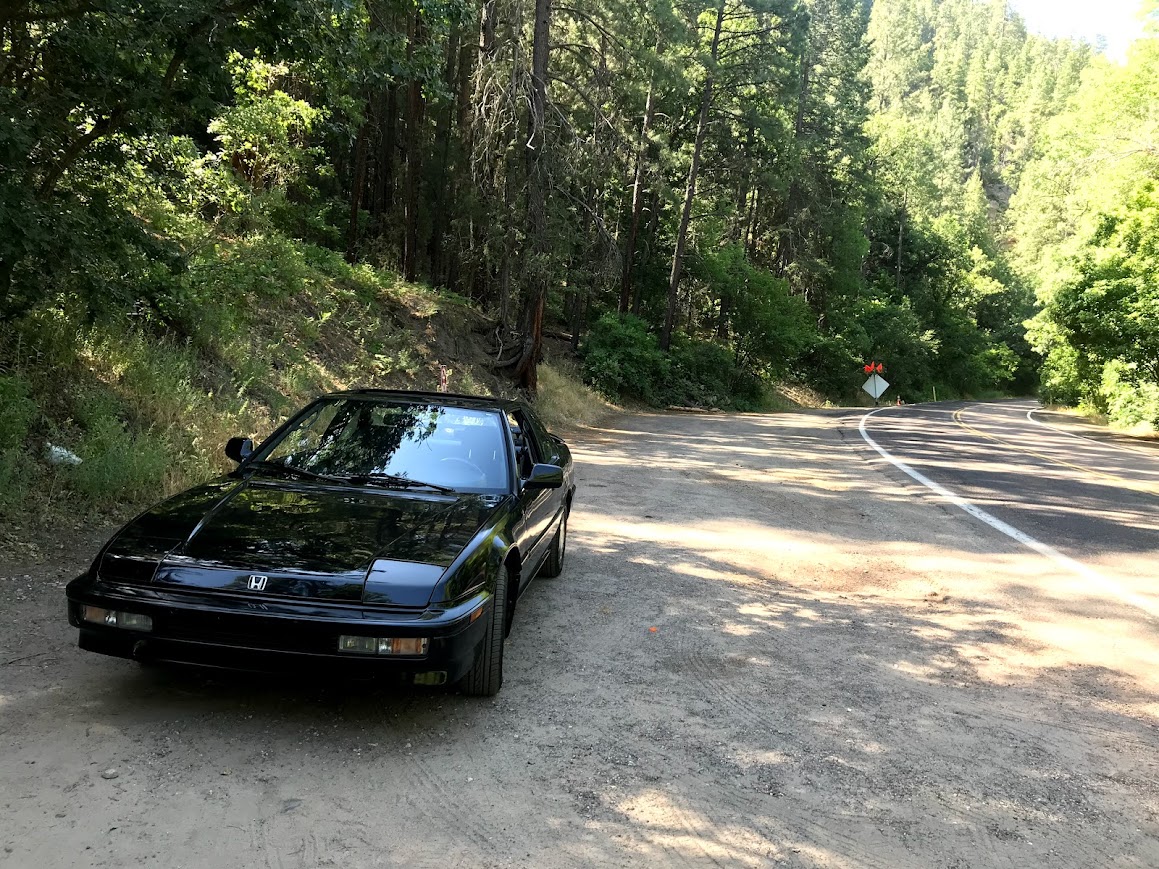
I arrived home the same day, having completed the entire trip in one shot—and without a single complaint or issue from the little Honda.
Because the purchase hadn’t exactly been planned, I didn’t keep the Prelude for long. After about six months, I sold it to a father-and-son duo in Utah.
Still, during the time I had it, the car delivered plenty of smiles per mile. The third-generation Prelude easily earns a place on my list of cars I’d gladly own again.
If the 1980s and 1990s had a greatest-hits list of sports cars, the Prelude would be a shoo-in.

 Main Street Rides
Leave a comment