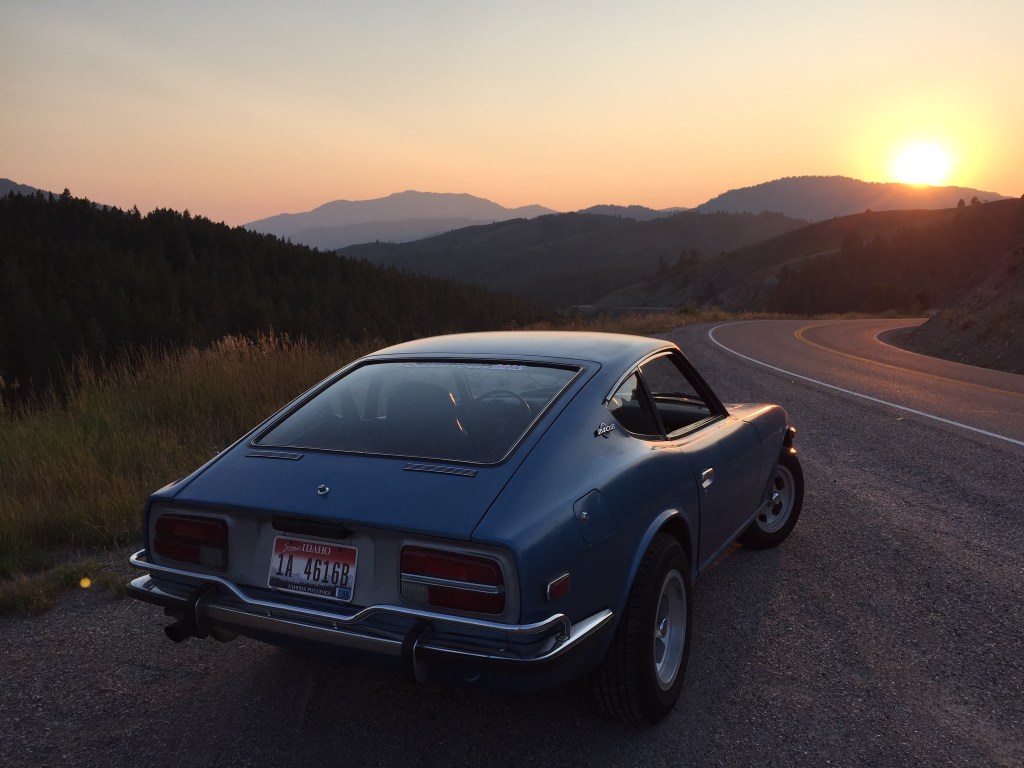
For this month’s story, I’m rewinding the clock to tell the tale of a car that – without me realizing it at the time – opened Pandora’s box. I was already neck deep in my obsession with four wheels, but this car introduced me to a new world of niche enthusiasts and a series of first-time experiences that have since become regular practice in my automotive adventures.
The car was a 1971 Datsun 240Z.
It would be the first of many Zs that I would own, the first that I would buy on an online auction, and only the second car I had purchased sight unseen – then immediately road-tripped home across multiple states.
### The Search and the Bid
The year was 2013, Aubrey and I had just bought our first home in Meridian, Idaho and I was working for NAPA Auto Parts as a District Sales Manager. At the time, I wanted a Z in a bad way – either that or a Porsche 911 – but the latter was well outside my budget.
I had driven a 1993 Nissan Maxima SE through much of my high school and college years but always wanted a Z32 300ZX (1990-1996). I had been browsing Craigslist for years, waiting for something I could afford, and somewhere along the way I started dabbling in no-reserve eBay auctions.
That’s where I stumbled up on the listing for a 1971 Datsun 240Z.
It was an early car with a December 1970 build date – what I would later learn was a Series 1. I only had a surface level knowledge of the Datsun era Zs, but its coke-bottle profile and honest, slightly worn presentation grabbed me. The seller had revived it from a barn-find state into something that could reasonably be called a driver.
I left the auction tab open all week.
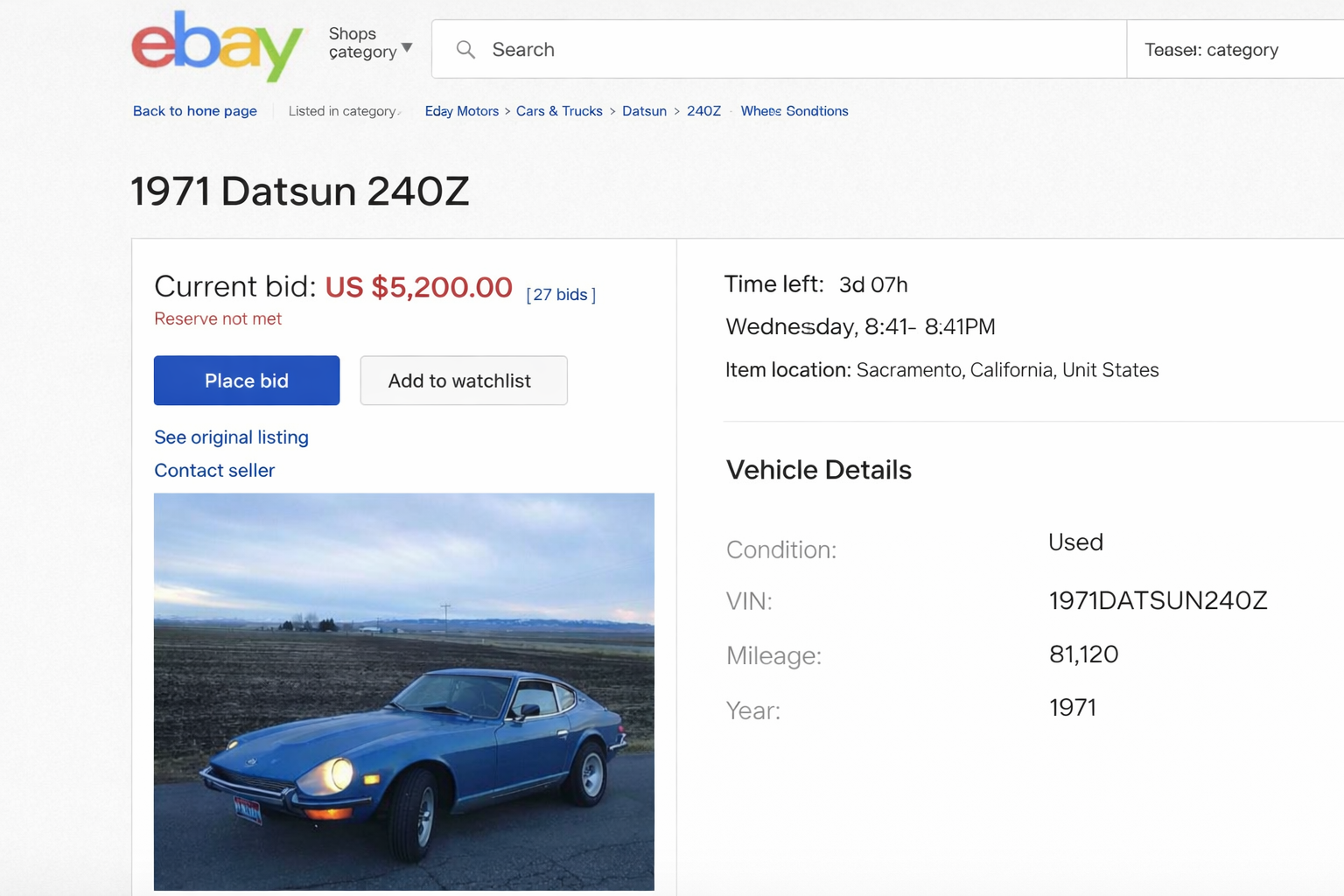
As the auction wound down, the price stayed within what I considered bargain territory. Meanwhile, I studied up on Datsun 240Z history, values, and general Z car lore. The more I read, the more I fell in love with a car that I realized was the father of Japanese sports cars in North America. The Datsun 240Z literally changed car culture forever and is still one of the most important cars ever to come out of Japan to this day.
From an investment standpoint, I learned that Series 1 cars were the most sought after, partially due to their unique features that could be hard to source when restoring one to its original condition. The 240Z was introduced in 1969 as a 1970 model with the series 1 cars all being primarily built in 1970 with some transition between them and Series 2 cars in early 1971. Series 2 240Zs were later in 1971 through 1973 with the most desirable Series 2s being 1972 models due to some improvements to the various aspects of the car. 1973 Zs had less desirable flat-top carburetors due to increasingly stringent emissions regulations so they were slightly down on power compared to their 1972 and earlier counterparts. You’ll find that most 1973’s will have had a change to their carburetors in favor of the earlier round top design. Series 1 240Zs have slightly higher compression cylinder heads, thinner sheet metal that makes the car lighter, distinctive rear hatch vents and a “240Z” badge on the rear quarter panels. There is quite a long list of differences that distinguish the differences between Series 1 and Series 2 cars. Suffice it to say that by the time the auction was ending on this early Z that I had drunk the Series 1 Kool-Aid.
### Winning (and paying for it)
As tends to happen with no-reserve auctions, I was outbid in the final minutes. This elicited a competitive reaction deep within me that I didn’t realize was there, I upped my bid by a couple hundred bucks. I got outbid again. I thought to myself, another $300 won’t make too much of a difference. I was outbid once more. “Just a little bit more” I thought to myself as I upped my bid one final time. I didn’t think I would win the car at this point but as the seconds ticked down to zero, no additional bids were made.
My computer made an audible beep as eBay notified me that I had just won a 1971 Datsun 240Z that was more than 600 miles from home, hadn’t been on the road in more than a decade, and – most notably -I had not consulted my wife…. Oh Sh$@%.
I was deservedly in the doghouse for days. To this day, it remains the maddest I’ve ever seen my wife. I do not recommend buying cars without your significant other’s permission.
### The Road Trip
Just a few years earlier, I bought a 1989 Honda CRX SI with a B-series motor swap and road tripped it home 1,000 miles back to Idaho. I had such a blast doing that (despite the fact that I did have a mechanical issue part way home) and I was really looking forward to getting behind the wheel of my first Z and cruising home. This time, the drive was roughly 600 miles, but I was somewhat ignorantly overlooking the fact that this car was considerably older and while it had been gone through mechanically to the point that it was running and driving, it hadn’t been on the road in a very long time.
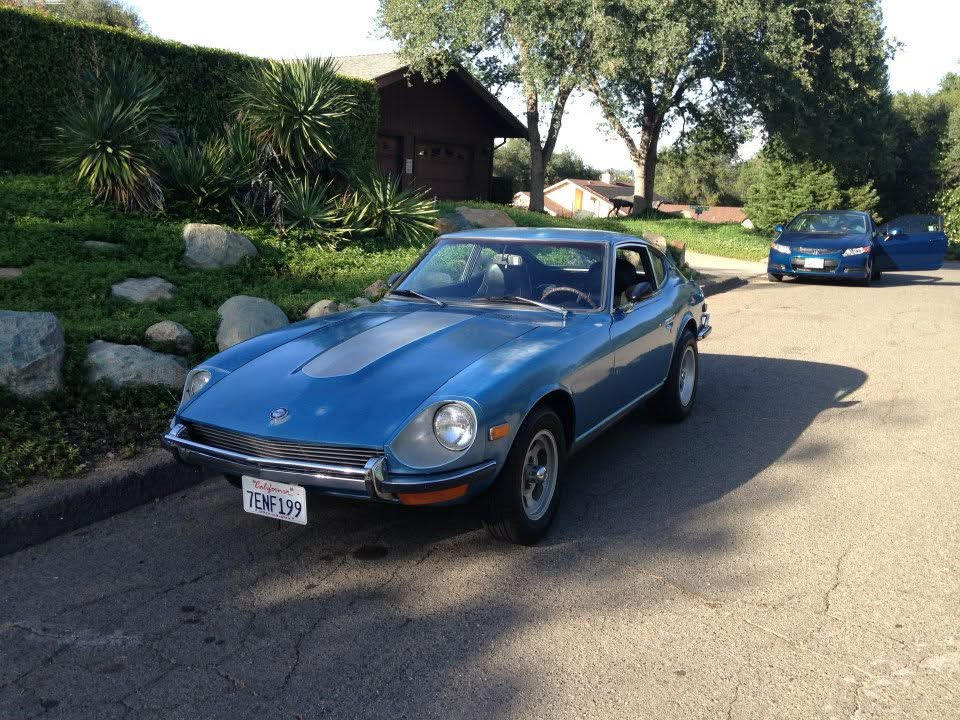
I flew into Sacramento on a beautiful May afternoon and was picked up by the seller of the car from the airport. We chatted about the Z on the drive to his home and I remember getting butterflies as we pulled up to the house, the Z sitting out front along the curb. Its faded blue paint was contrasted with chrome bumpers and trim with off-set mag wheels that gave the Z a seasoned muscle car demeanor. I had never driven a Z before, much less a 1971 model, and I was taken aback by just how small the car was, with the roof being just four feet off the ground. After taking care of the paperwork, I loaded my gear into the rear hatch and slid behind the wheel of the Z. A 240Z is as analog as they come with a choke for the carburetors, no power steering, and everything connected with cables and linkages. The Z sputtered and whirred to life with a throaty burble coming from the exhaust as I coaxed it awake with a combination of the choke and throttle. I pulled away from the curb and rowed the four-speed manual through its gears as I navigated to the exit of the neighborhood. The Z felt positively miniscule in Sacramento traffic, sitting well below even compact cars of today. Despite being four decades old and only partially refreshed, the lightweight Z moved out well, the steering communicating the ebbs and flows of the road, and the view out of the cockpit made me feel like I was in a World War II fighter plane at ground level.
I stayed the night with a friend from college that lived in Sacramento, his family being kind enough to let my Z stay in their garage for the night before getting an early start the next morning. It was my goal to reach home that evening, covering 600 miles from Sacramento to Boise in a single day. The essentials to make the Z road worthy had been addressed, namely the tires, carburetors, fuel lines, belts and hoses, fluids, brakes, and ignition system. But, there was still plenty on the Z that was old and tired. After making it out of Sacramento, I stopped for fuel before crossing the Sierra Nevada mountain range, not knowing how accurate the fuel gauge would be at 44 years old. It was at this first fuel stop that I began to question my decision to drive such an old car 600 miles. I realized the Z was missing its spare tire and as I was filling the tank with fuel, I was overcome with an overpowering smell of raw fuel. A lake of gasoline gathered on the ground underneath the Z, revealing that the rubber fuel filler neck was cracked and leaking.
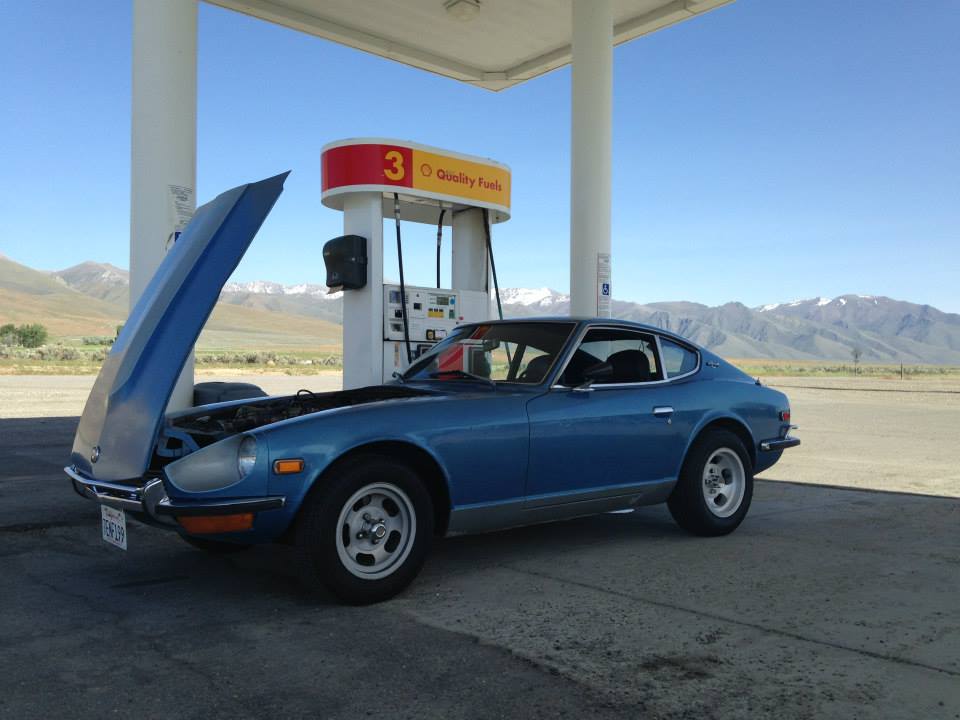
Now, with a slight amount of apprehension, the Z and I pressed on to the Sierra Nevada mountains and Donner pass. While modern day cars have computer-controlled fuel injection systems that adjust air fuel ratios based on elevation, temperature, and so on. The carbureted Z was set to a specific mixture and had to be manually adjusted outside of just using the throttle. Donner Pass only tops out at a little over 7,000 feet above sea level, but I wasn’t quite sure how the Z would do at elevation. As we pressed on, the Z hummed along I-80 and didn’t seem bothered by the ascent up the mountain or the decent down. I was starting to get into my groove with how the car handled and was thoroughly enjoying myself by the time I got to Reno and decided to stop for lunch.
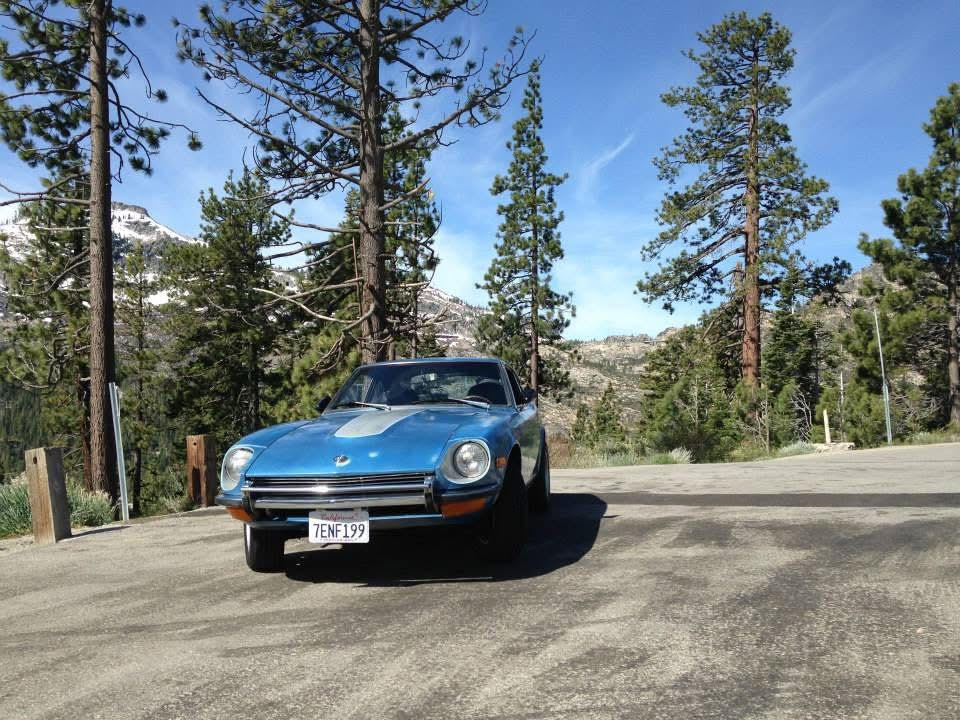
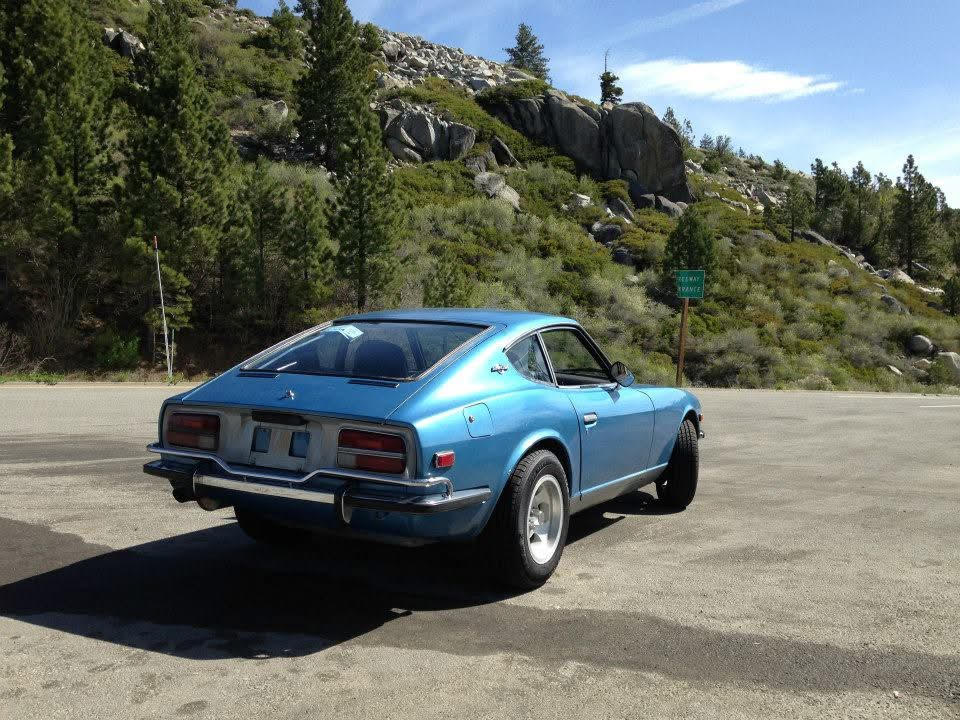
After a quick bite at Subway, I came back out to the Z and found that I couldn’t get the car to start. The Z would turn over all day but was acting like the engine was flooding. Thinking that perhaps the spark plugs had become fouled, I walked several blocks down the road to NAPA Auto Parts and purchased a new set of NGK spark plugs, a spark plug socket, ratchet, and a ratchet extension. After changing the spark plugs, the Z sputtered and started, only to quickly flood and continue with the same symptoms. Completely unfamiliar with how the Hitachi SU carbs worked, I got on the phone with the seller of the car, and we were able to determine that the chokes on each carburetor were stuck. Finding the choke buttons beneath each one and pressing up freed them up and the Z’s straight six sprang to life.
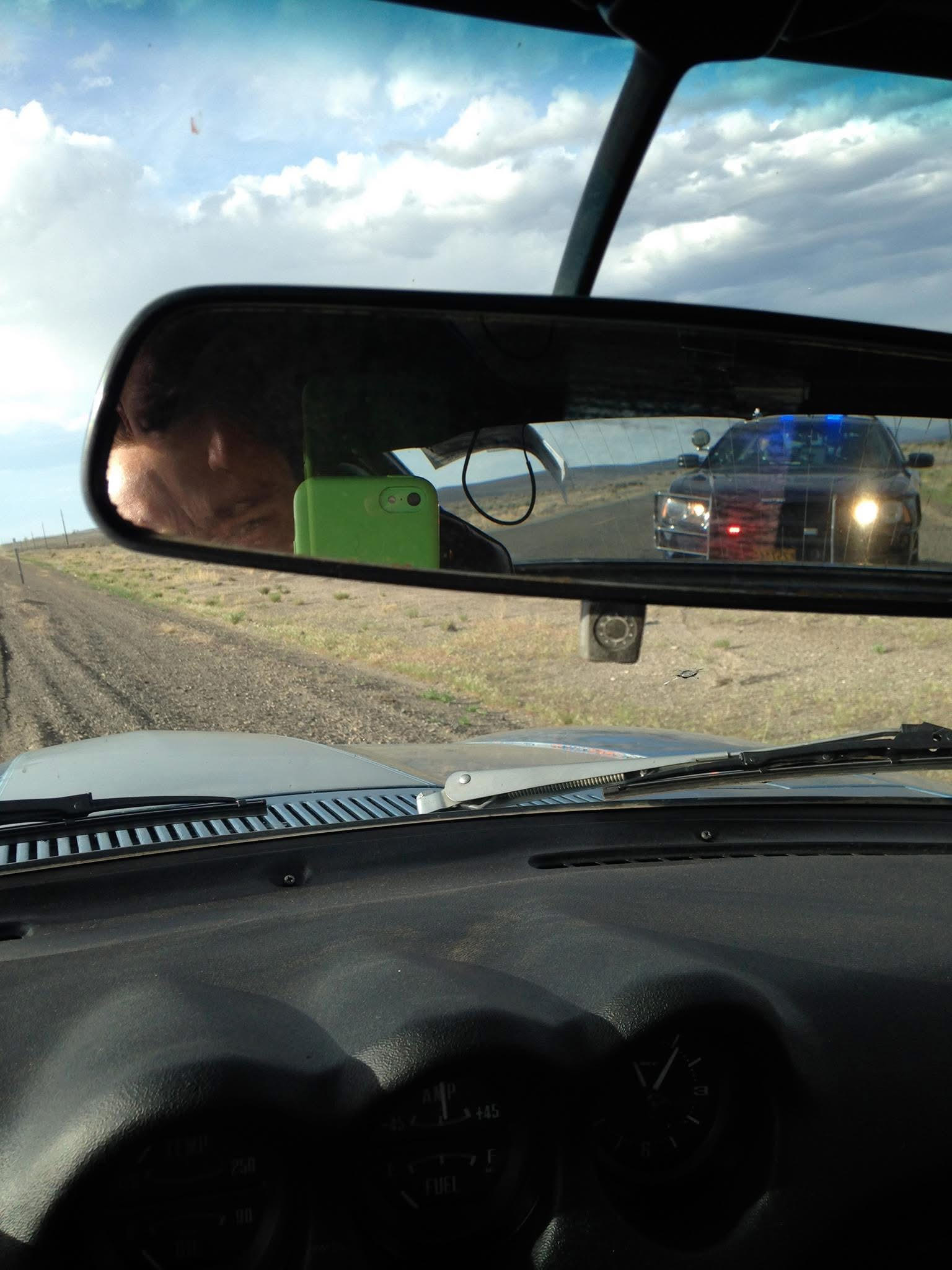
Relieved and slightly chagrined, I got the Z back out on the road and we continued our journey North to Oregon and then Idaho. Shortly after passing Winnemucca and crossing into eastern Oregon, I realized just how much of a remote area of the country I was in. At one point, nearly an hour went by before I saw another car on the road. The lack of spare tire and the earlier episode with the carburetors was starting to make me a little nervous. Ironically, the next vehicle I saw ended up being an Oregon State Trooper who promptly pulled me over. I was apparently speeding but I think he mostly pulled me over to ask questions about the Z, he just let me off with a warning and complimented be on my cool car. To this day, I have driven few cars that get as much attention as a 240Z.
At long last, as the afternoon turned to dusk, the Z and I rolled into the Treasure Valley, successfully making the 600-mile trek home in one day. Over the next few weeks, I found myself wanting to drive the Z at every opportunity. The 240Z certainly had soul and as old as the car was, it was always engaging to drive, and I rarely wanted to stop driving it.
The Z Doctor and Kim Blough of Idaho Z Car
Unfortunately, the fog of the Zs past and some of the question marks behind its maintenance history showed themselves within the first month of having the Z home. It wasn’t long before a loud banging noise began to emanate from the transmission, only to dissipate when the clutch pedal was depressed. Lucky for me, Boise Idaho is home to the Z Doctor, a small one-man shop that specializes in working on and restoring early Zs. The owner, Guy, found that all the flywheel bolts were loose, causing the noise. The Z Doctor replaced the Z’s clutch and remedied the loose flywheel bolts. While he was at it, Guy dialed in the carburetors to the new elevation the Z was now calling home and the unthinkable happened. As Guy was tuning the carburetors, the cam bolt that kept the camshaft in time with the crankshaft backed itself out and the engines timing became out of sync. With the pistons now pumping out of sync with the opening and closing of the valves, a couple of the valves made contact with the pistons, bringing the engine to an abrupt halt. I can tell you, that’s not a call you want to get when your car is in the shop.
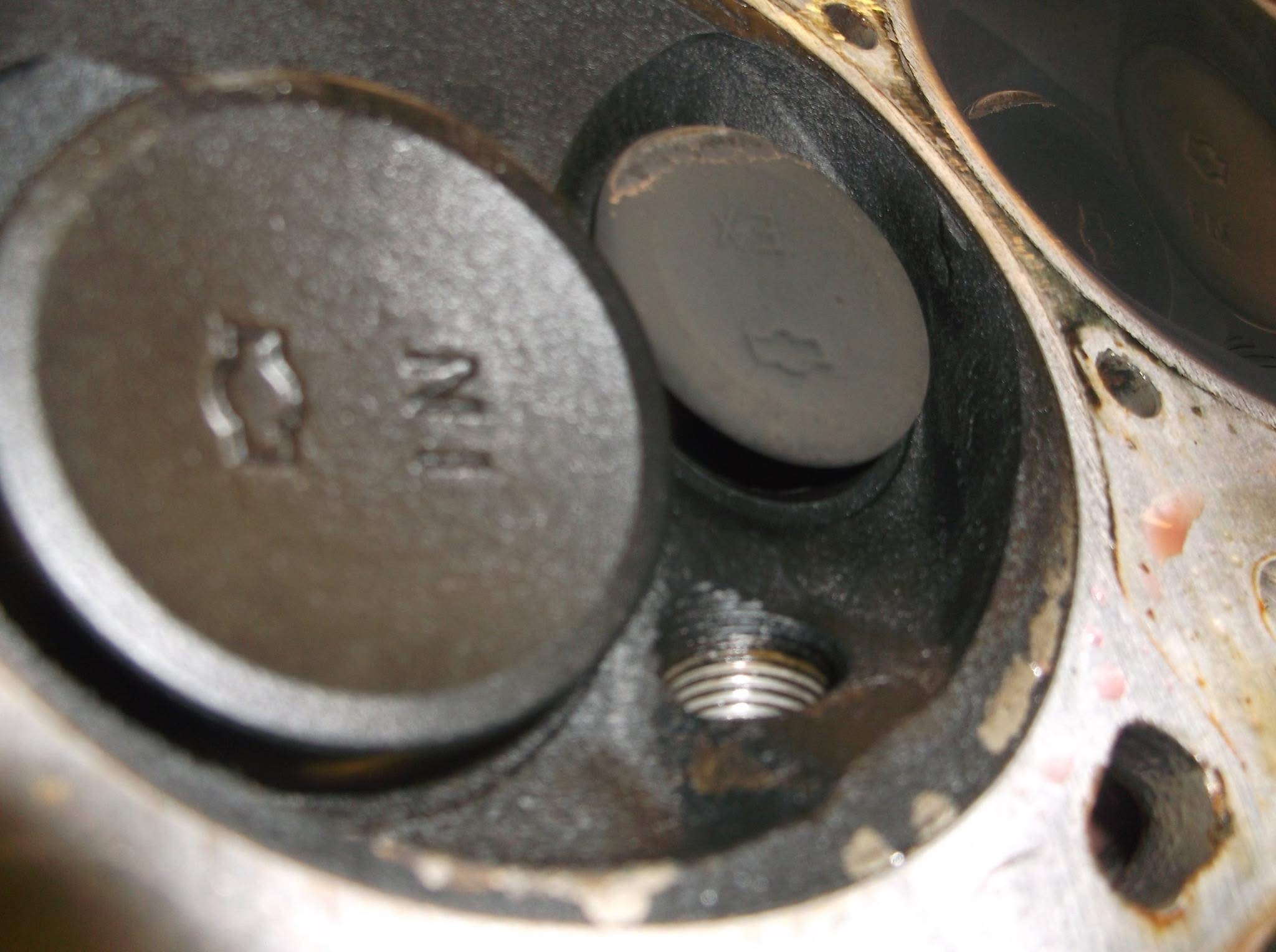
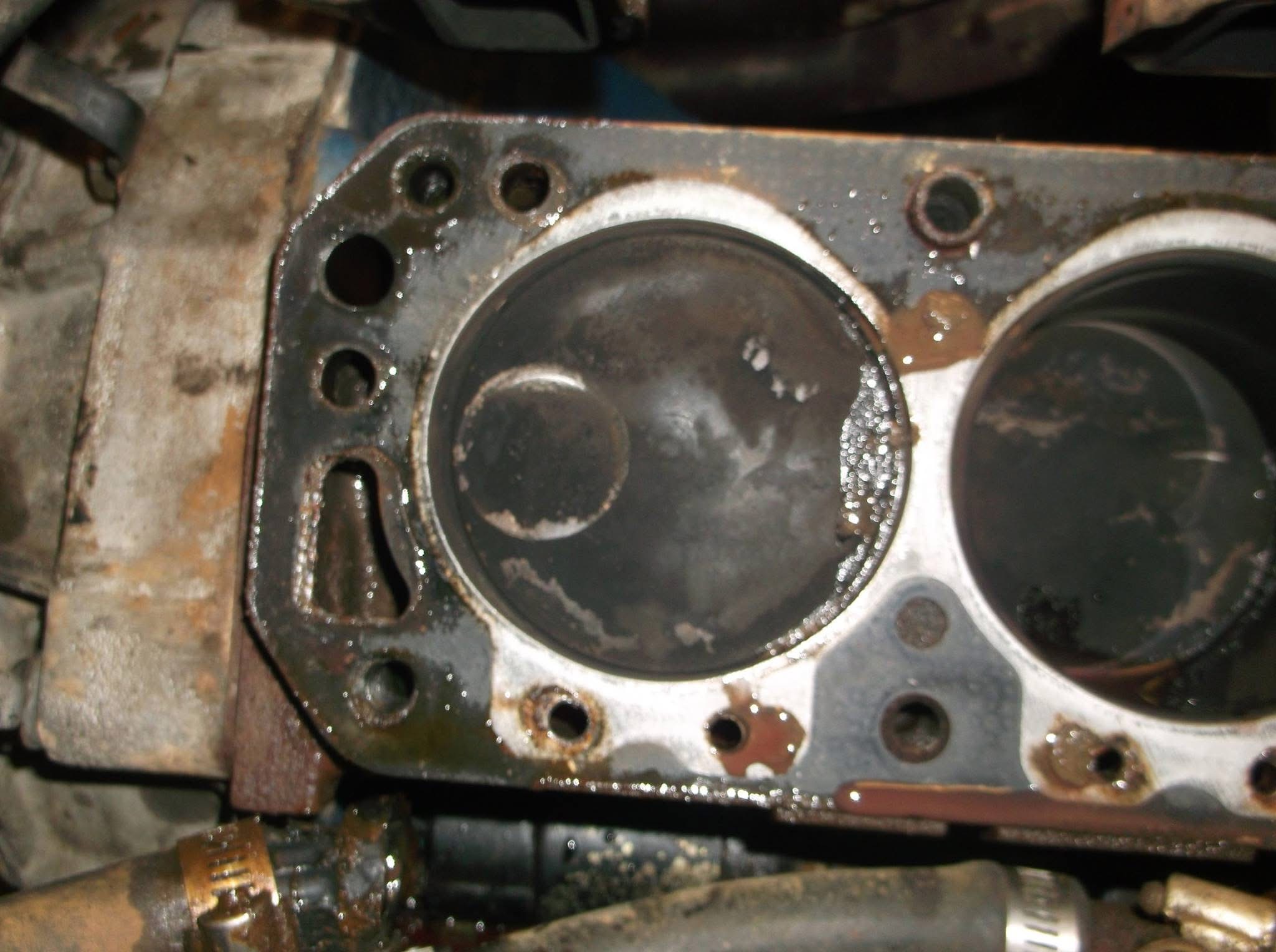
I did not have the budget to rebuild the engine. Needless to say, I was devastated. Guy and I determined that the Z’s engine must have been rebuilt at some point in the past and things hadn’t been torqued properly. I’m just lucky it held together for the trip home. Lucky for me, Guys mentor, while retired, still had several chicken barns full of Datsun spare parts, cars, body panels, and engines. Kim Blough taught Guy everything he knew about Zs and owned Idaho Z Car. Kim was retired and Idaho Z Car, an old chicken farm with more than 180 abandoned Z cars and multiple barns full of parts, was permanently closed.
Thankfully, Guy was able to share my story with Kim who sympathized with my situation, and he gave me a few options of replacement L-Series engines to buy from him. The S30 chassis of the Datsun Z spanned multiple generations from 1970 through 1978 and included the 240Z (1970-1973), 260Z (1974), and 280Z (1975-1978). They all ran a version of the Nissan L-series straight six. While my 240Z came with a 2.4L L24, Kim had a 2.6L L26 out of a 260Z that we settled on putting into my Z. The L26 had been in Kim’s barn for a very long time but he knew everything about it, where it came from, what car it had been in, and what kind of condition the engine was in. The Z the L26 had originally been in had been backed by an automatic which meant it likely had been driven easy. The nice thing about an L26 over an L24, aside from the obvious slight bump in displacement, is that they came with a hotter cam to help compensate for the more restrictive emissions equipment those cars came with. Take away the emissions and add the early 240Z round top carbs and you’ve got a peppy little motor.
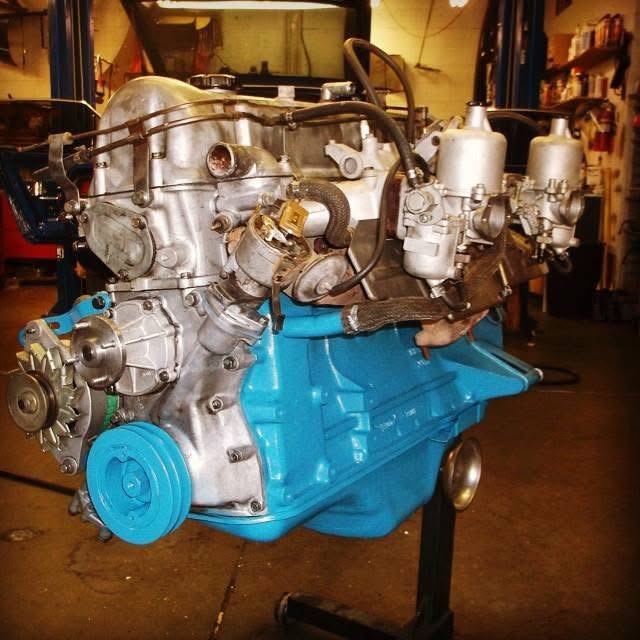
The L26 had been in storage for a long time but Kim had filled the engine to the brim with Marvel Mystery Oil to try and keep the seals and internals well lubricated. I hauled the engine from Kim’s Z graveyard to Guys shop on the other side of the valley in the bed of my old Power Wagon. Guy went through the engine and ensured everything was to spec, painted it up nice, flushed it out, and installed it into my Series 1. Once the Z Doctor revived my Z with its heart transplant, it was time to get the Z back on the road. The L26 felt good, pulled strong, and sounded healthy, but it did smoke quite a lot from its long hibernation. I felt that I was doing all my neighbors a service by fogging for mosquitos each time I would take the Z out for the spin, a frequent occurrence.
Not able to leave well enough alone, I found myself wanting more volume from the Datsun’s exhaust and ended up getting a custom exhaust made for the 240Z at Boise Muffler. The Magnaflow muffler and 2.25” exhaust piping to the exhaust manifold gave the Z a much more muscular sound that really screamed on its way to the 7,000 RPM redline. I like the sound of a healthy V8 as much as the next gearhead but I will take it to my grave that nothing sounds better than a properly piped straight six, they are my favorite.
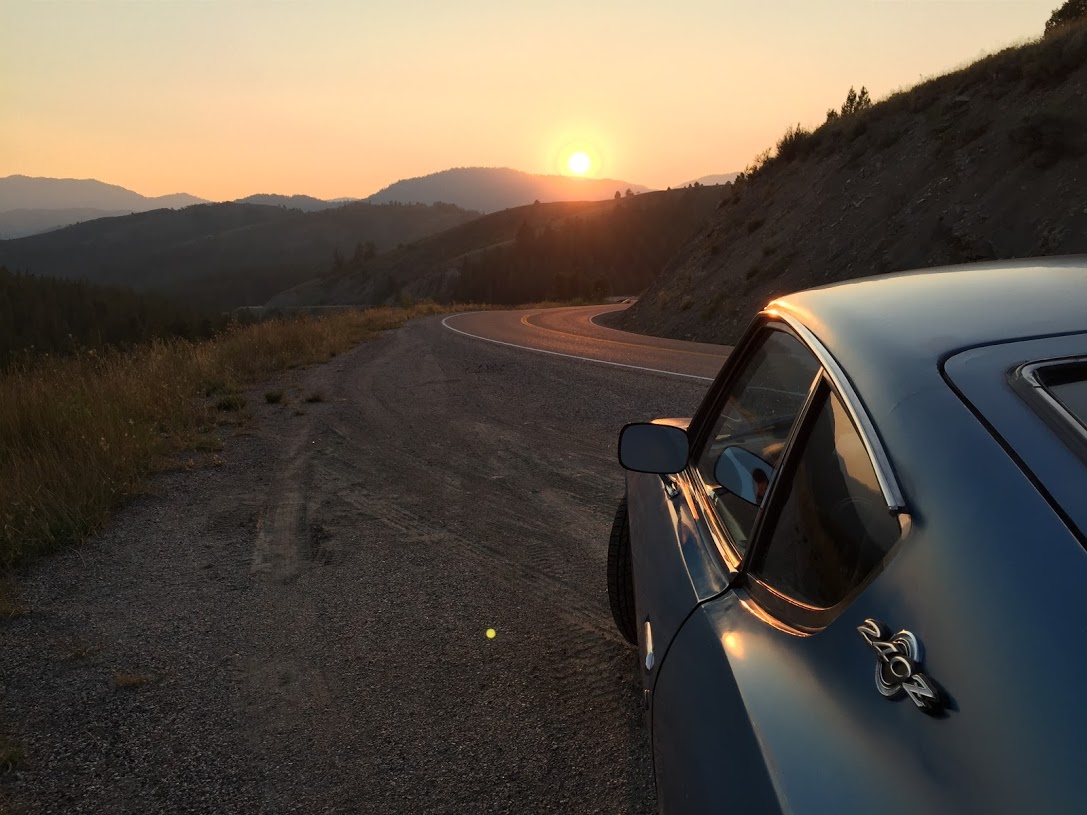
The following year I would take a new job that would move us to the other side of the state and back to where I grew up in eastern Idaho. I would sell the Z’s bunkmate, my candy apple green 1975 Dodge Power Wagon, but the Z came along for the ride to our new stomping grounds. During fair weather months I would often drive the Z to work and rarely took the most direct path home, choosing instead to follow the country two lanes rather than slog along the state highway. The mountain roads between Swan Valley and Victor Idaho were among my favorite routes. I often smelled of fuel vapors and burning oil during the years that I owned the blue Series 1, much to my wife’s vexation.
### Sister Series 1s
The next summer as I was visiting a friend in north Idaho, I made a pit stop in Boise and stayed the night with my in-laws. While some folks may turn to alcohol for a nightcap, my bedtime usually consists of browsing used car classifieds. At the time, Craigslist was still king and I couldn’t believe my eyes when I came across a day-old listing for a white Datsun 240Z Series 1 that was being sold by the original owner. The car appeared to be in well above average condition and the price was far too good to believe. I simply couldn’t resist; instead of traveling the rest of the way home the following day, I found myself test driving another Series 1, this time with a blue interior. During the test drive a horrible grinding noise started coming from the rear of the car. The car hadn’t been driven much in recent years and the original owner discovered that there was no gear oil in the rear differential. I really didn’t care and still wanted to buy the Z in the worst way.
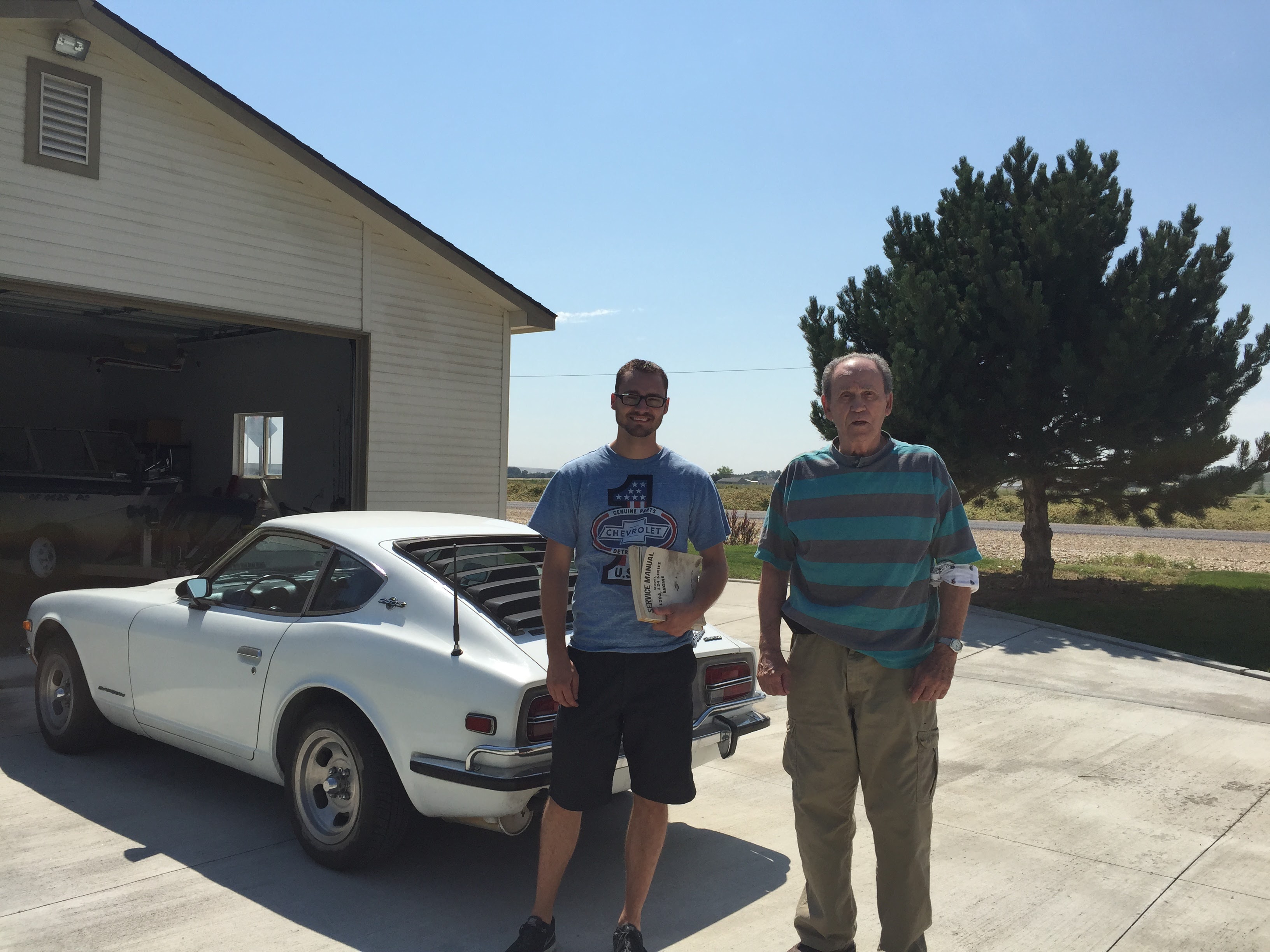
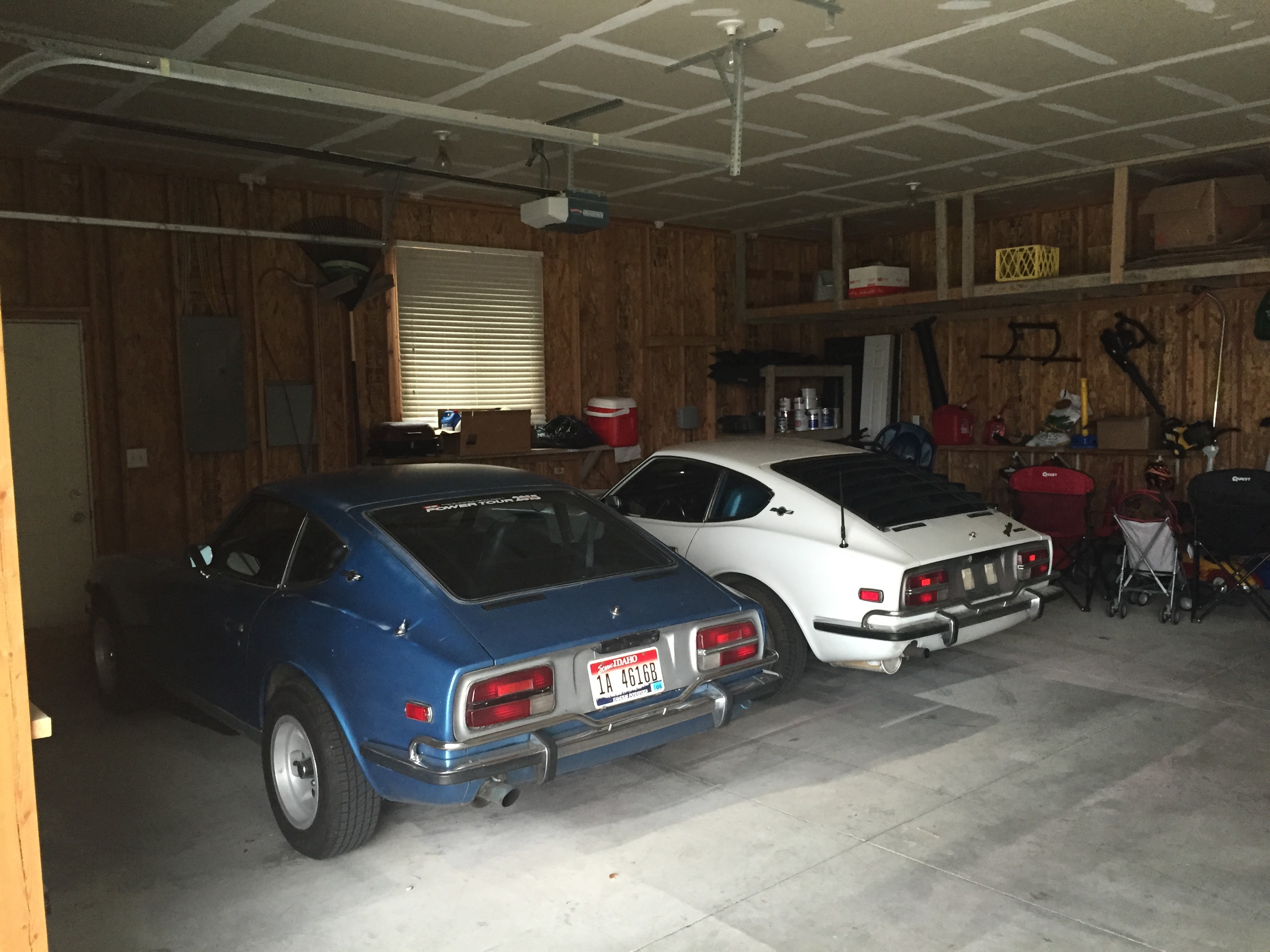
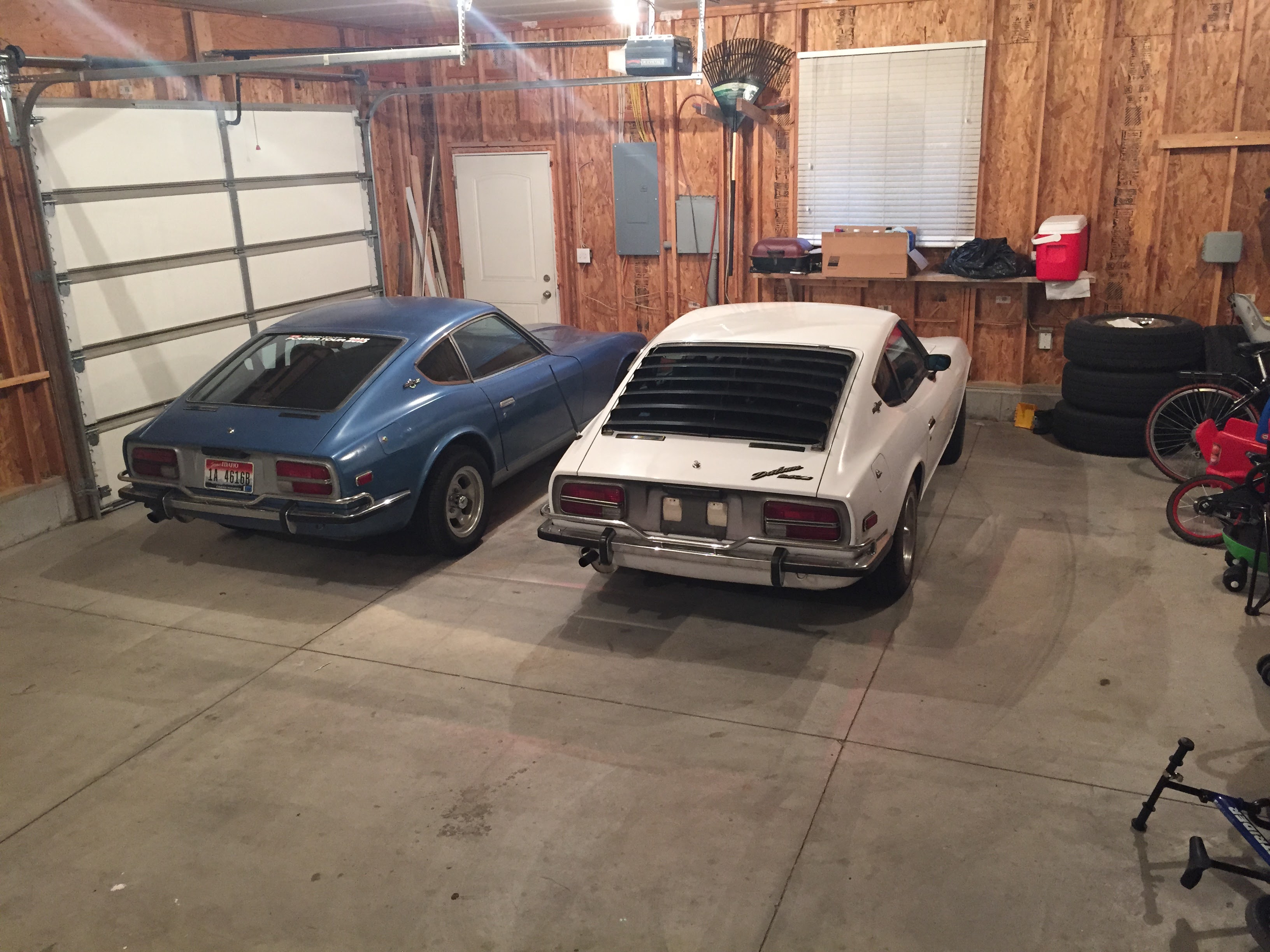
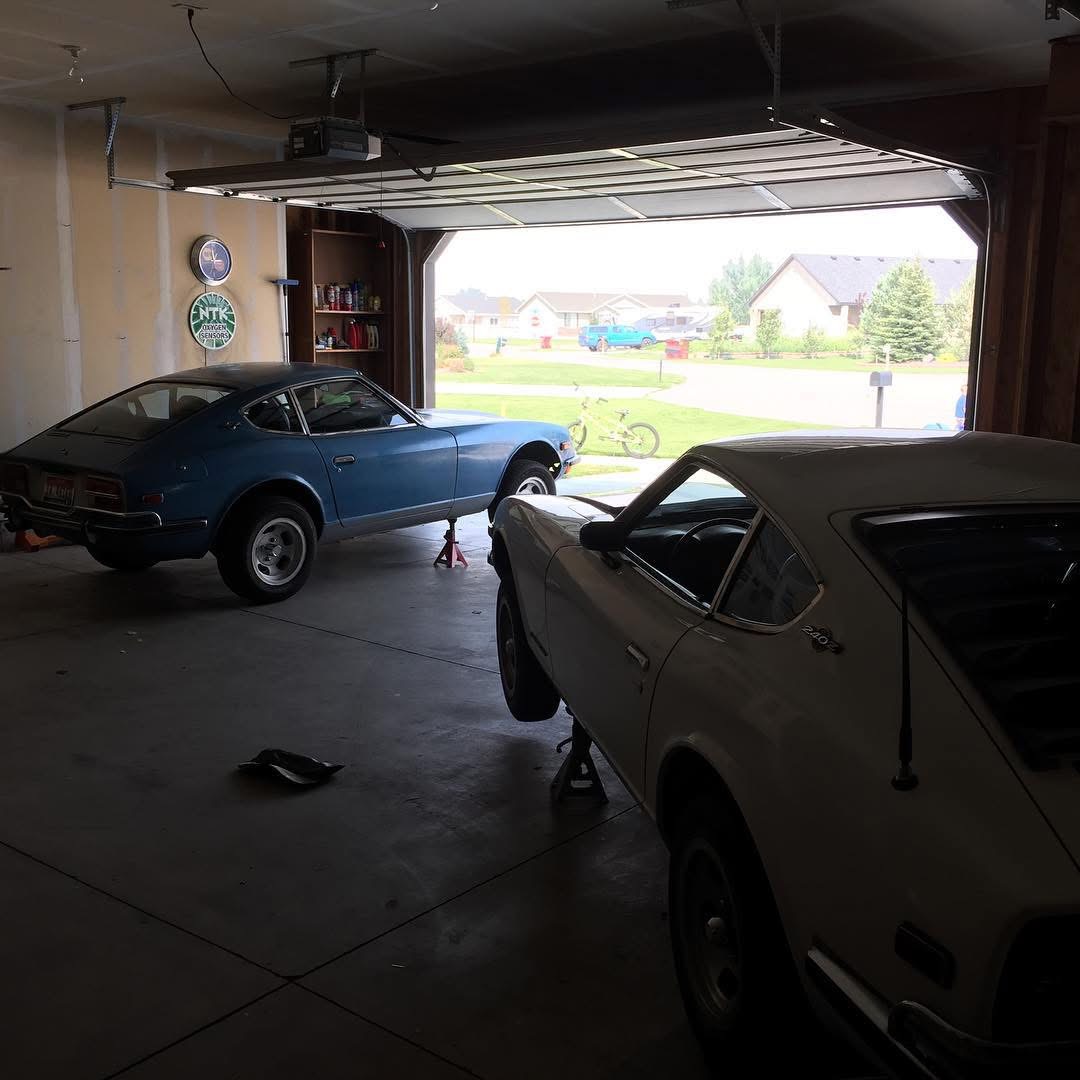
I didn’t have the cash to buy the Z, despite it being an absurd deal. What did I do? I got a loan for what the credit union would lend on the car (which wasn’t much, nor enough) and then I did a cash advance from my credit card for the rest. I’m sure many thought I was crazy, but I knew it was worth it and it wasn’t long before I was headed home with my 2nd Z riding along behind on a U-Haul auto transport. This Z was in much more original and in better condition compared to the blue one and I was excited to get it home and see what more I could make of it. I’ll admit that I enjoyed the sight of the two Zs sitting in the garage together a little too much.
### The Jägerbomb
The more I tinkered on the white Series 1, the more I realized what a diamond in the rough I had stumbled upon. I was attached to the blue Z, despite its worn appearance and accompanying blue cloud of smoke (it did get better the more I drove it), I decided it would be best to sell the blue Series 1 and focus on the white one. I didn’t have the Z for sale for long before I got a call from collector by the name of Randy Jaffe, based out of Georgia. Randy owned a lot of Zs and various other unique cars of Nissan’s heritage, and he was looking for one that he could use for a particularly cool project. Based on his criteria, the Z’s tired interior and faded paint were a non-issue. The lack of rust and the fact that the Z was a series 1 were much more important, he didn’t even want the original engine.
Over the next several years, Randy and I stayed in contact, and he would on occasion send me an update on the transformation of my old Z. Working with Rob Fuller of Z Car Garage in California, the Z’s original project name was KAMIKAZ but would later become what people in the Z community call the Jägerbomb. What would become of my original Z? My tired old blue Z would go on to grace the shows of SEMA, the Japanese Classic Car Show (JCCS) where it would win 1st place, and various other shows and publications.
Rob and the team would go on to create a unique track monster with a 3.1L L-series straight six, a Rocketbunny widebody kit, custom 3-piece wheels with massive tires, big brakes, triple side-draft carburetors, a custom interior with a roll cage, and a vibrant Porsche Tangerine Orange paint job with a Jägermeister livery. To this day, it is one of the greatest renditions of a 240Z on the planet.
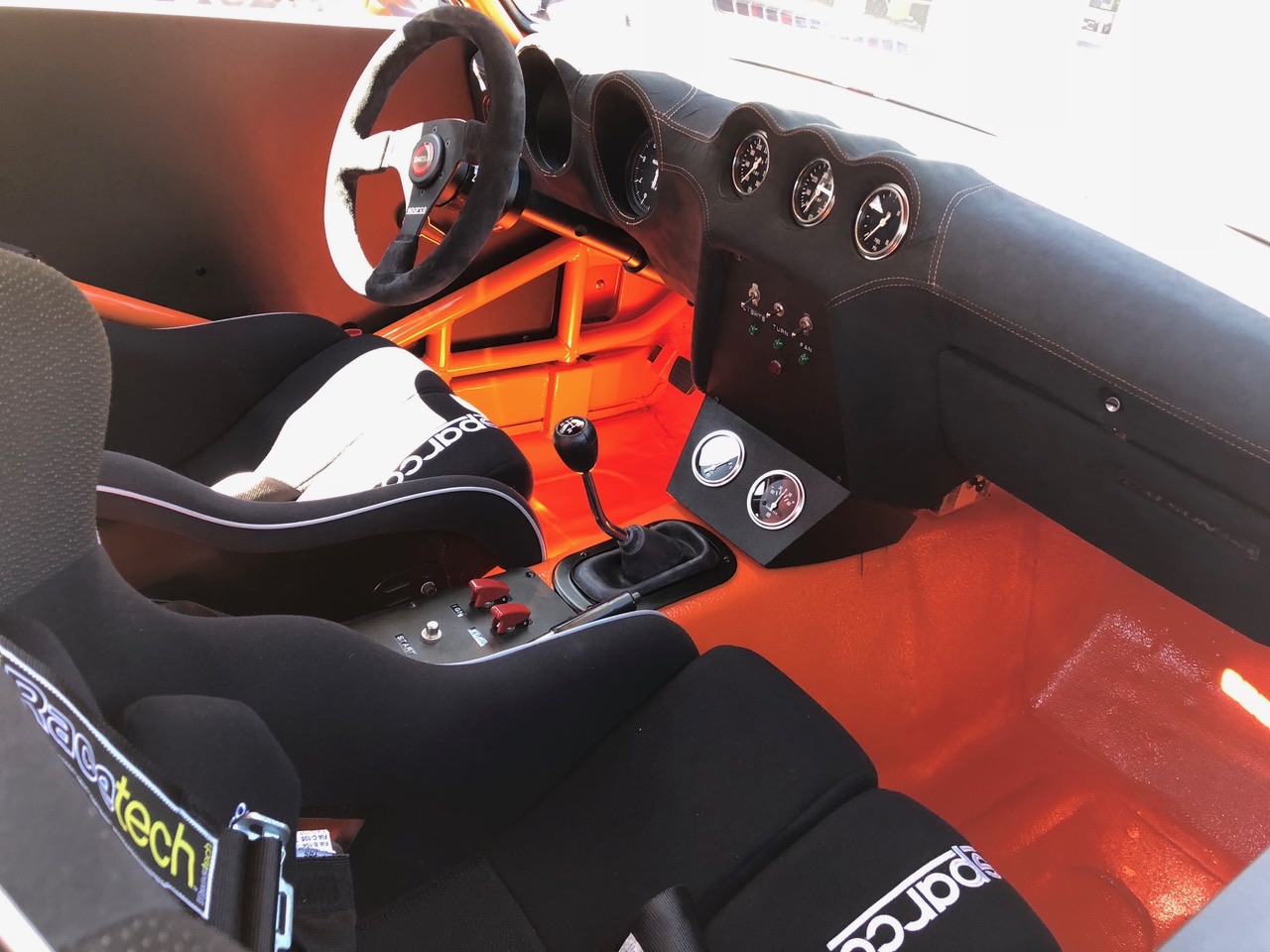
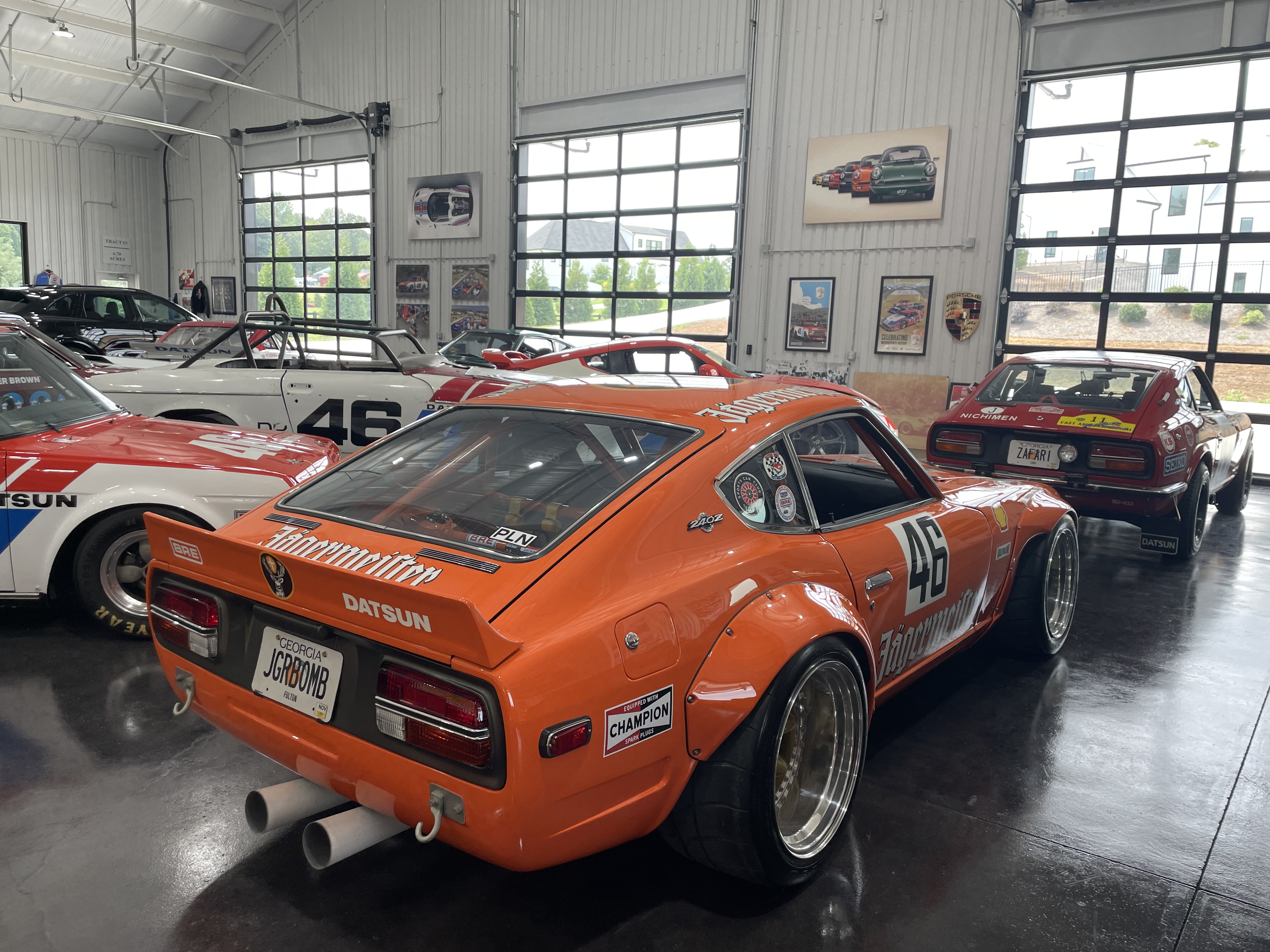
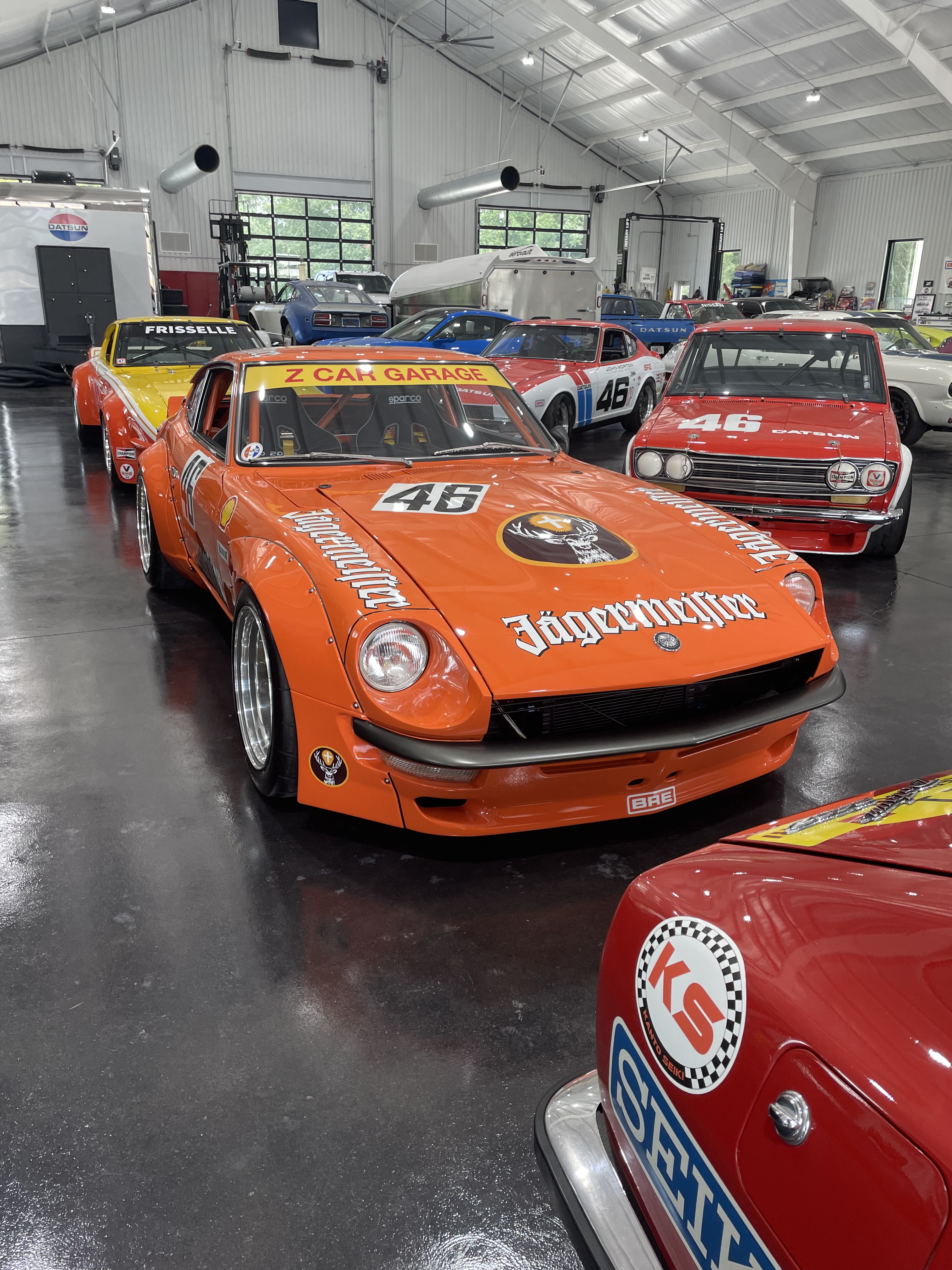
Once I moved to Georgia to work for Z1, I was able to connect with Randy, and I was finally able to see my old Z again in all its refreshed glory. The Jägerbomb is an absolute masterpiece and adds an entertaining piece of the story to what was my first Z and the origin car to the love affair that I have developed with the Z. Now, more than a decade later, I have owned more than a dozen Zs, I finally got my 300ZX Twin Turbo, and I have tried almost every generation from the 240Z to the latest Z. The 240Z, being the original, is still probably my favorite and I’ve owned six of the S30 chassis, with five of them being 240Zs.

Mr. K, the father of the Z, couldn’t have been more correct on what American’s wanted in an affordable sports car in the 1970’s. The fact that the Z is still gracing the sales floors of Nissan dealerships today with a not-so-subtle design that calls back to the S30 is a testament to all the things that Z has done right over the years. The last several Z’s I have owned have all been later model 350Zs and 370Zs, generations that will hold a special place in my heart. I was in high school and college during the 350Z era and I consider them to be one of the last of the more analog sports cars you could buy before things became a little to simulated by electronics for my taste. Yet the S30 always calls me back. I’m currently in the process of purchasing another 1971 Datsun 240Z, yes, a Series 1. Another white 240Z, this time with a black interior. Stay tuned for more information and coming adventures in another carbureted Z car.


 Main Street Rides
Leave a comment