
A couple of years before the outbreak of Covid-19, I sold my 2017 Subaru WRX in favor of a lightly used 2007 Chevrolet Silverado. I was really putting on the miles for my job as a Tool & Equipment sales manager for the state of Idaho, with my territory also covering large sections of Eastern Oregon, Washington, and Nevada.
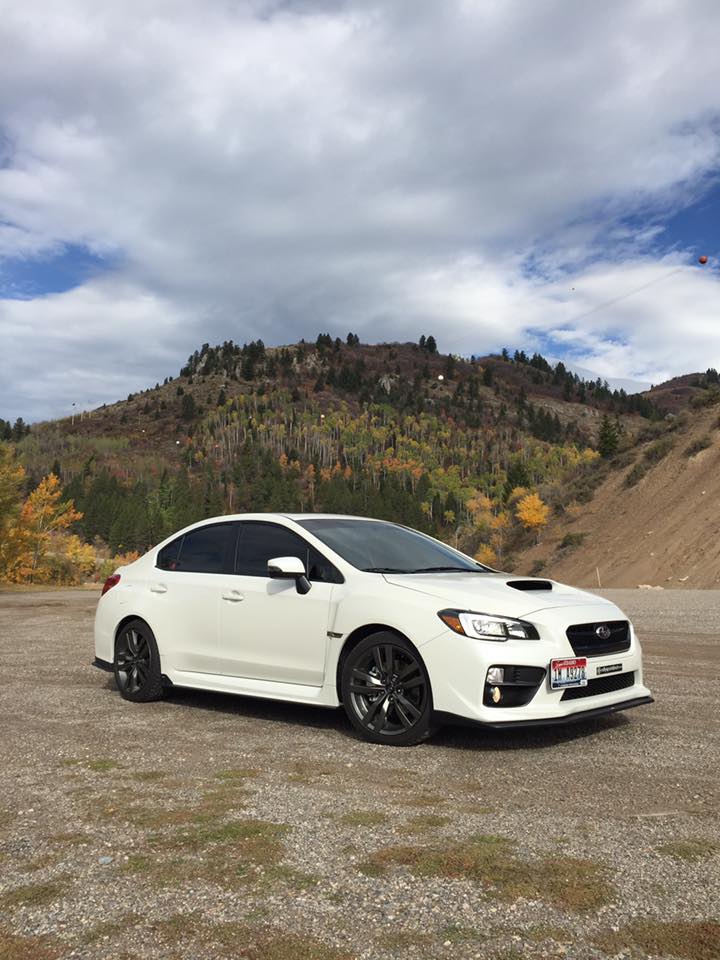
2017 Subaru WRX Limited. I put nearly 60,000 miles on this car in just two years of ownership.
The WRX, with its 6-speed manual and all-wheel drive, made all those miles a lot of fun, and it was sure-footed in the winter months when equipped with Bridgestone Blizzak snow tires. However, I often found myself needing more cargo room to be truly effective at my job. It was easier to sell some of my tool wares if I had demos with me. After putting more than 100,000 miles on the Silverado in just two years, I took the option to have a company truck. I reluctantly parted with my trusty truck and took delivery of a brand-new Silverado. After only a few short months, Covid-19 broke out and I was furloughed. This ultimately led to a career change, which moved us to Colorado—and, obviously, the company truck didn’t come along. I found myself really missing my old Silverado. Once you’ve owned a pickup truck, it’s hard to go back.

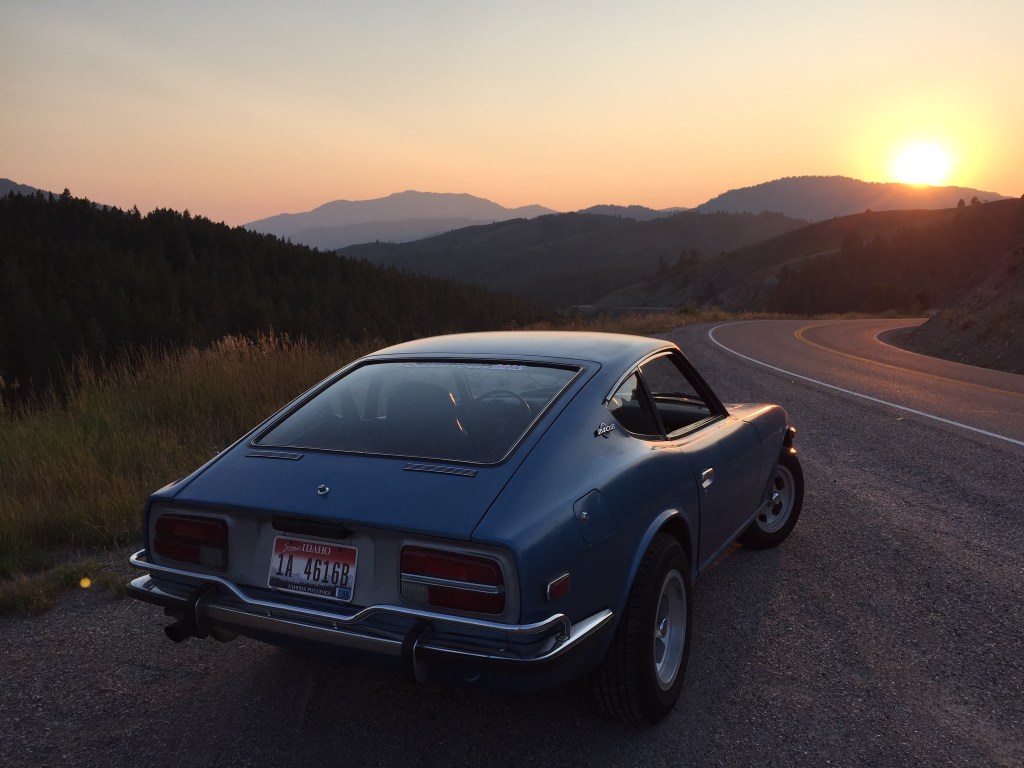
Shortly after moving to Colorado, I was on the hunt to replace my truck, as all we had to drive was my Nissan 350z and our family van. I immediately bought a 1996 Honda Accord from a local used car dealership in Louisville, CO, but found that they hadn’t been honest with me about the car’s history. After a brief spat with the proprietor, they ended up buying the car back from me—a shame, as I really do love those cars. But it did end up leading me to the truck of all trucks!
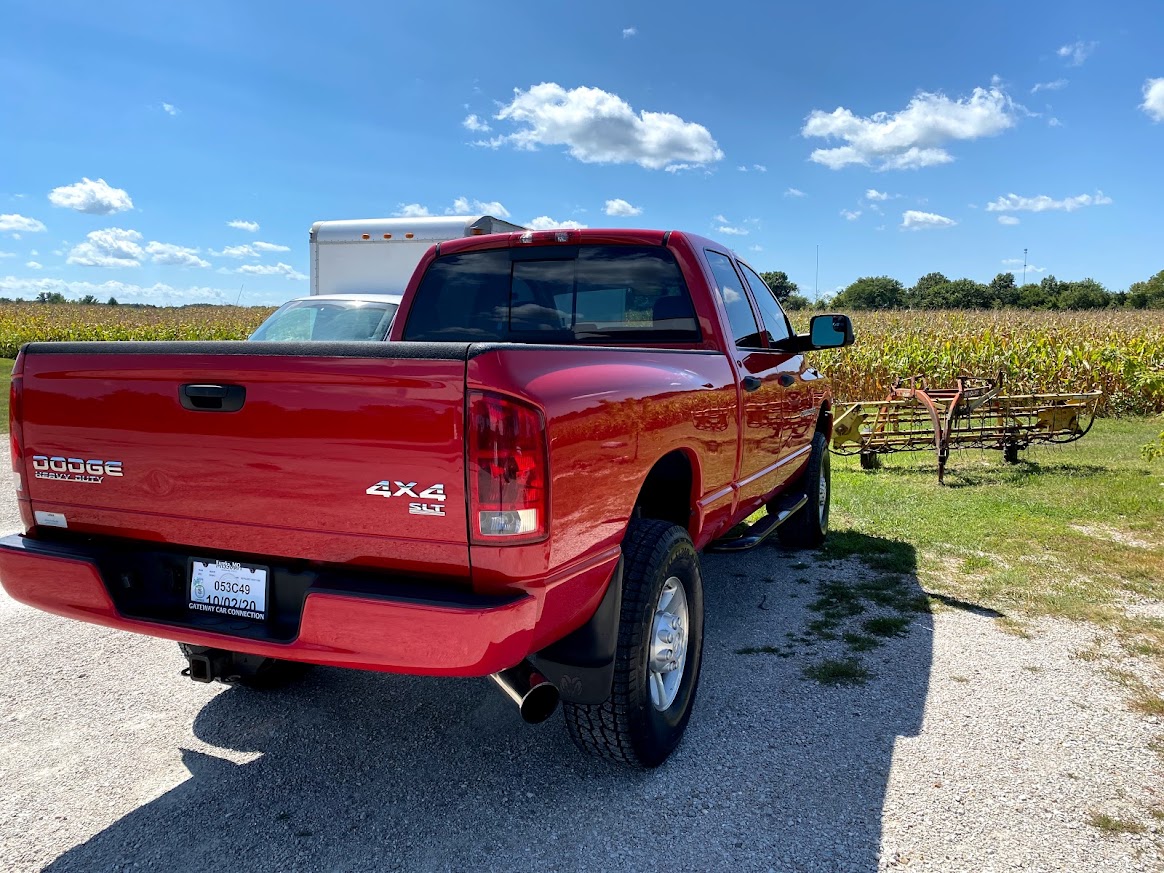
During an evening Craigslist scouring session, I came across a listing for a 2003 Dodge Ram 2500 with low mileage and a 5.9L 24V Cummins under the hood. The original owner had purchased it new in Parker, CO, and kept it until his passing. It was being sold by a boutique dealer in Missouri that scours the country for pre-emissions diesels, and at the time, they sold nothing else. I’m a sucker for my favorite models when they are in the same spec as the press releases. This Ram was painted flame red and featured the sport trim, which included color-matched bumpers and fog lights integrated into the front bumpers. This was the trim Dodge used to release the 3rd generation Ram at auto shows and in magazine reviews. I was a junior in high school in 2002, and I loved the styling of the new 3rd generation Ram. Its muscular styling had a tough Tonka truck look, and it introduced the massive grilles that are still common on today’s full-size pickups. It also doesn’t hurt that my grandpa purchased a brand new 2005 model just as I was getting out of high school. Everybody wants their grandpa’s truck.
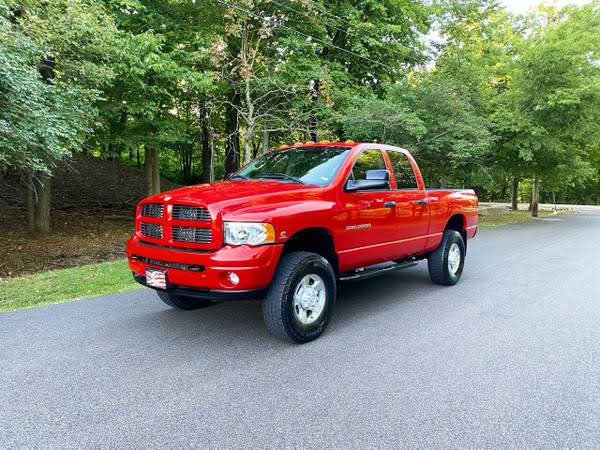
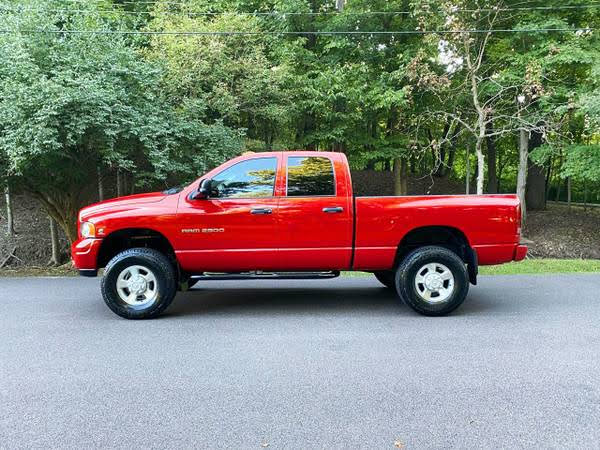
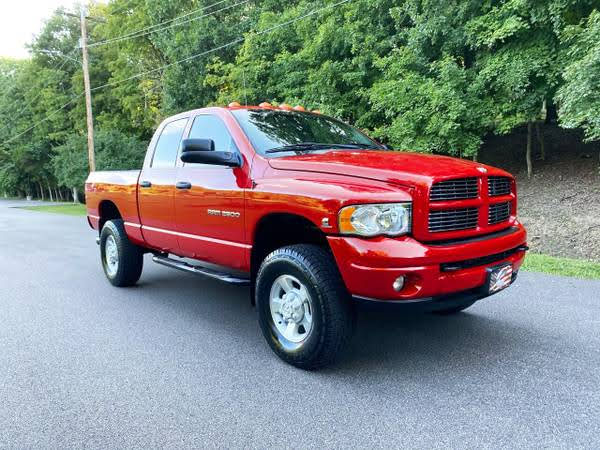
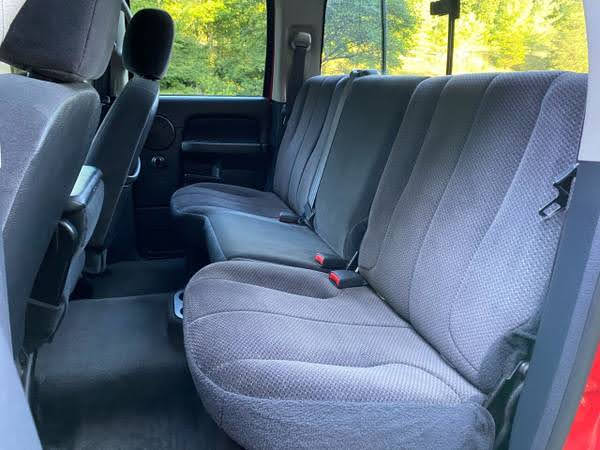
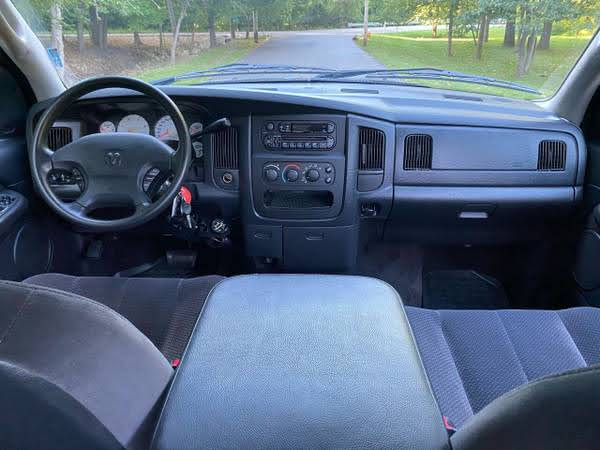

The best part of the 3rd generation Ram trucks was the new Cummins diesel. The 5.9L turbodiesel now had 24 valves instead of the outgoing 12 and was available with a high-output version with additional grunt. The Ram I was looking at had all those boxes checked and appeared to be extremely well cared for. I put a deposit down on the truck the day it was listed for sale and booked a one-way ticket to St. Louis, MO.
Gateway Car Connection, the selling dealer, picked me up from the airport in a cherry OBS 7.3L Powerstroke Ford F-350 that could only be described as in showroom condition. It only contributed to my growing excitement to see my new golden-era diesel. Why buy old over new when it comes to diesel trucks? While the old trucks have skyrocketed in value, they are still half the cost of a new one. Government regulations have become particularly stringent with diesel-powered vehicles. Sure, their power output is considerably higher than from the factory, but their fuel efficiency and reliability have suffered because of efforts to meet emissions standards. The cost of ownership of a late-model heavy-duty diesel truck is astronomical, and I’d be afraid to own one out of warranty.
I was happy to find a well-cared-for pre-emissions model with a reputation for bulletproof reliability, with many owners getting 500,000 miles or more out of their trucks. At a quarter of the price of a new diesel truck, with documented maintenance and some desirable upgrades, this was the truck for me. My new-to-me Ram had a suspension lift, 35-inch tires, Bilstein shocks, Airlift airbags for load leveling, an onboard air compressor, and a myriad of engine and powertrain upgrades for additional power and reliability. The truck was as beautiful in person as I hoped it would be, and the interior was pristine as well. The interior of both the 2nd and 3rd generation Rams is arguably their greatest weakness, as they are full of cheap plastics that tend to break down after just a short period of time. It was clear that the original owner loved his truck. I would end up putting Covercraft seat covers on to keep the seats in their showroom new condition.
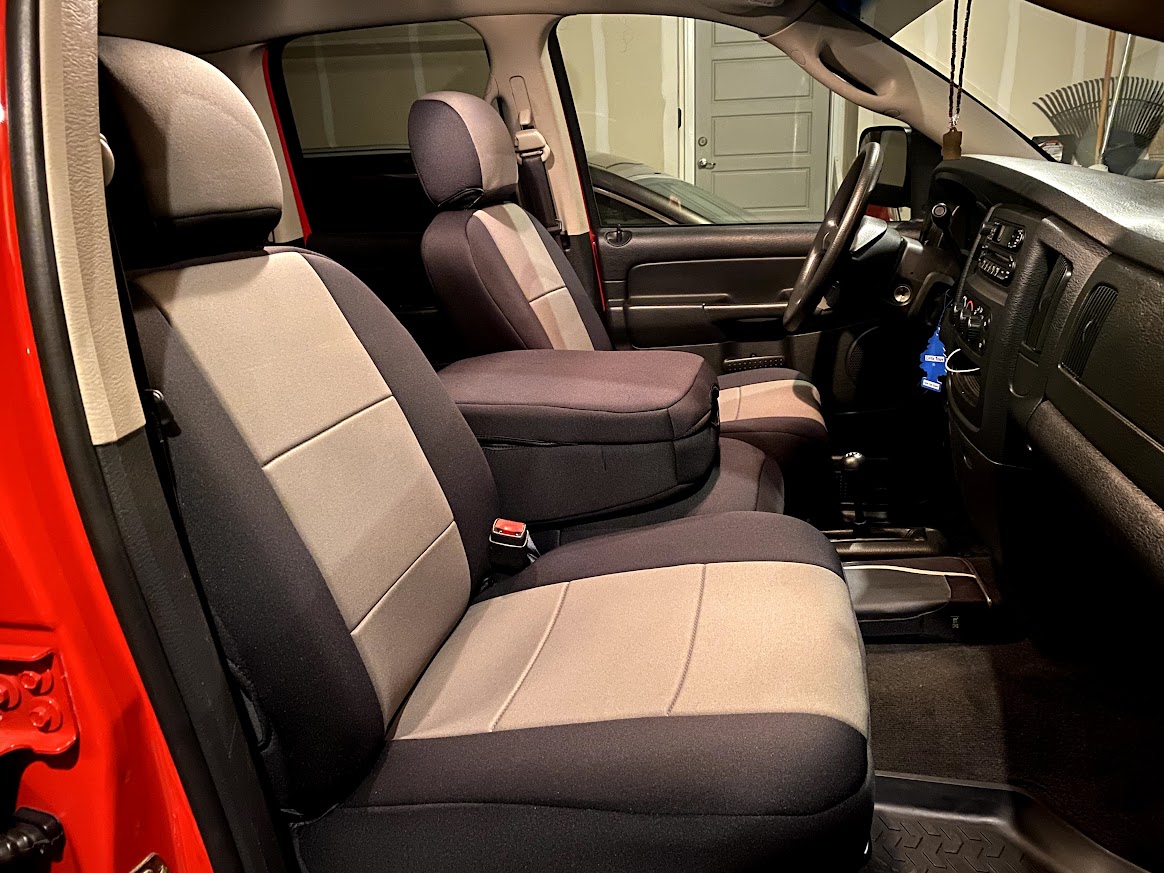
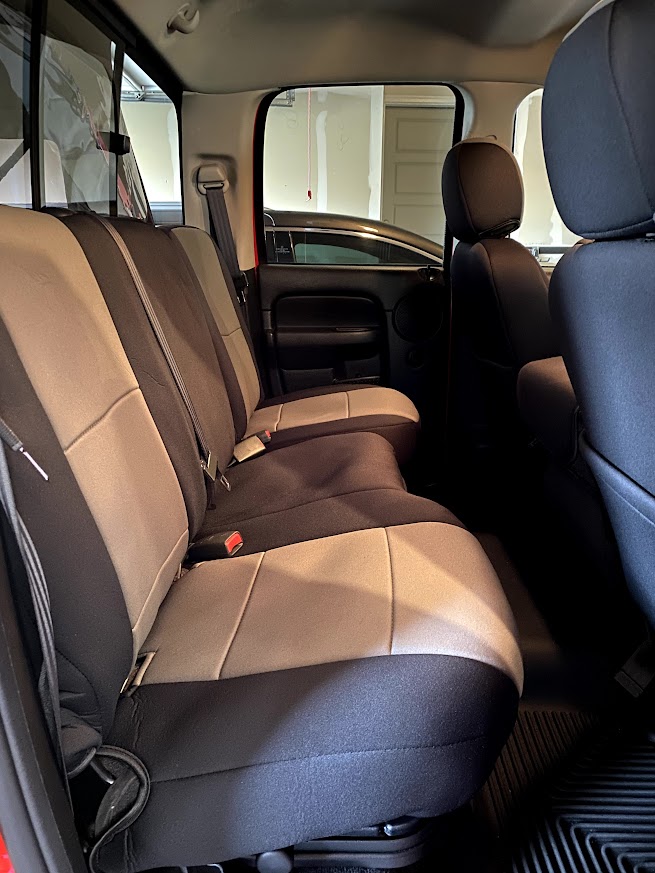
I didn’t waste much time before getting on the road to head back to Colorado. With just over 800 miles between me and home, it was plenty of time to road test the Ram and get familiar with my truck. I can’t say enough good things about the 5.9L 24V Cummins. Once the glow plugs are warm and you twist the key the rest of the way to start, the powerplant comes alive with a cacophony of noise—a bit of a clatter at first, quickly replaced with a powerful thrum of injectors pumping fuel into the cylinders. From the driver’s seat, the Ram felt huge, like sitting on the bridge of a battleship. Pulling out onto westbound I-70, the Cummins accelerated with a wave of torque and a crescendo of pleasant heavy-duty truck notes from the exhaust. I’d be hard-pressed to feel more American than I did that day, cruising a red Ram Sport with a Cummins diesel through the rolling hills and cornfields of the Midwest.
Because I was working for Bestop and Softopper at the time, I naturally put one of my favorite truck accessories on the Ram soon after getting it home. When I had my Silverado, I’d wanted something to keep the bed dry but needed more heigh than a traditional toneau cover. I also didn’t want a fixed camper shell because they are a pain to remove and store if you need extra height. I’d purchased a Softopper for that truck well before working with the company and loved it. Softoppers are retractable camper shells made of a rugged fabric. They are a breeze to install and can be retracted in just a couple of short minutes and are able to be used in various different configurations. They are perfect companions for everything from camping to traditional truck related duties.
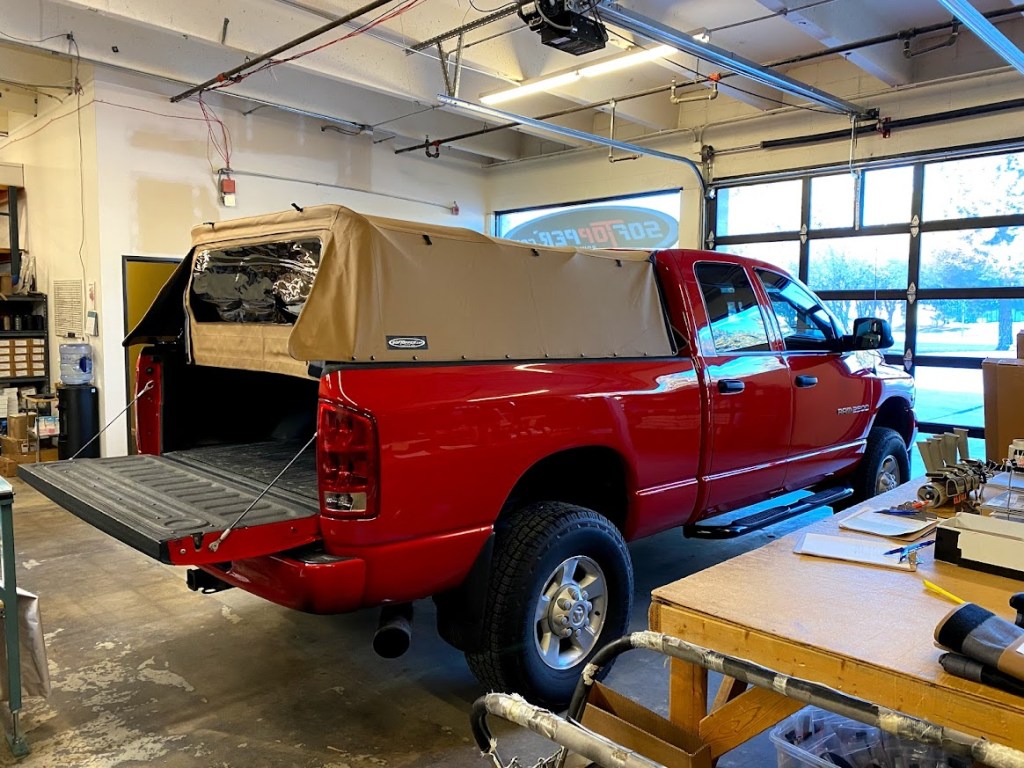
Installing the Softopper
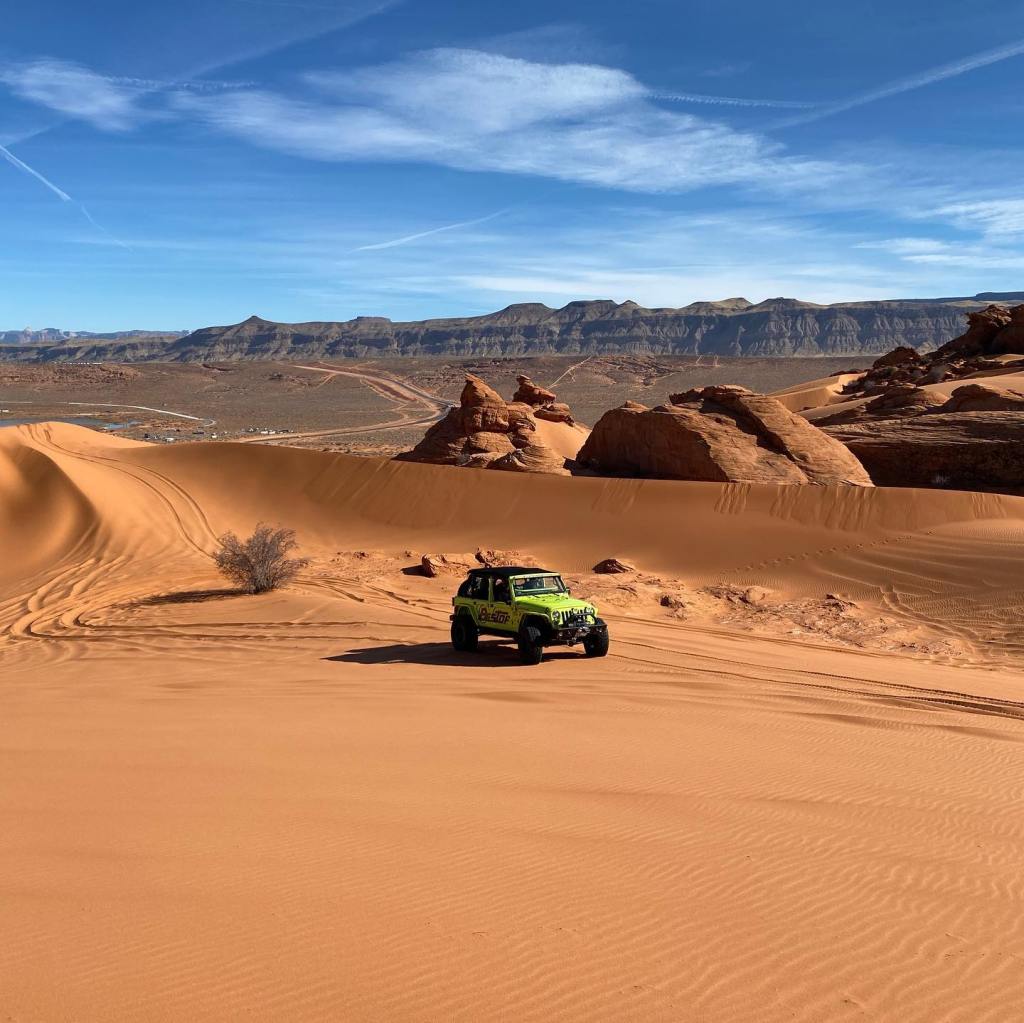
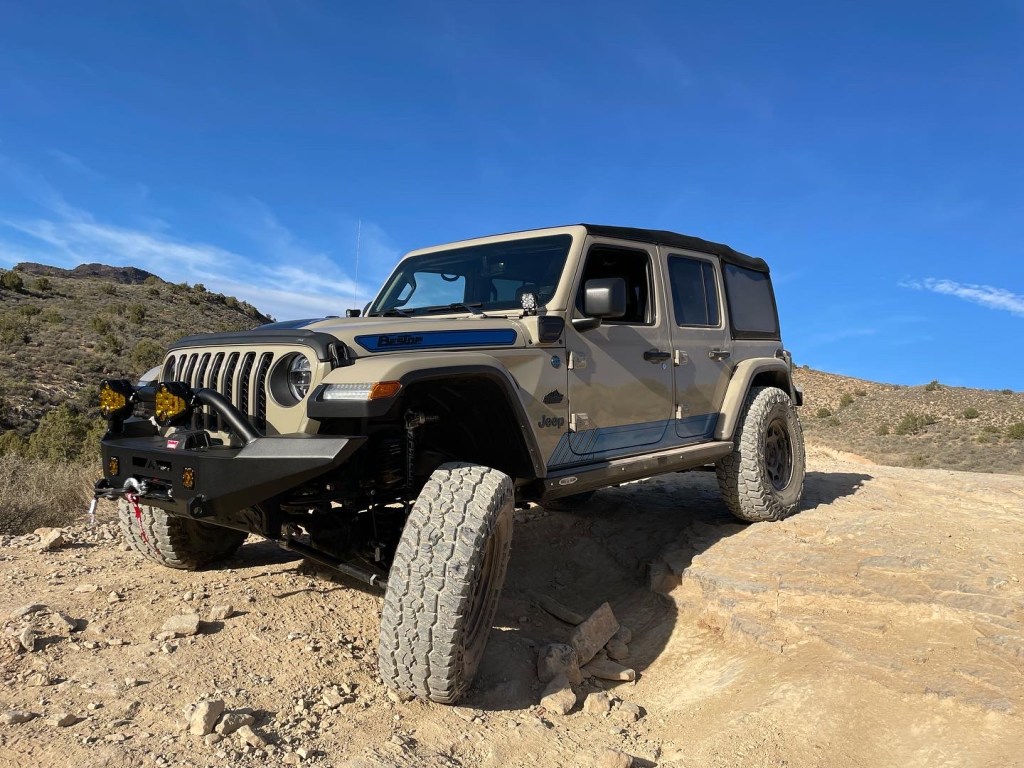
It wasn’t long after getting the Ram home that I purchased my Wrangler JKU and started doing some aggressive off-roading. I’d been on enough trips to realize that with the kind of wheeling I was doing, breaking on the trail and not being able to drive home was a possibility. With that in mind, I decided to take advantage of my truck and buy a trailer that I could haul the Jeep with. It would provide both insurance if I did break my Jeep on a trail ride and needed to trailer it home, and help keep the miles off my very expensive 37-inch off-road tires. Over the next couple of years, I would haul my Jeep and family across the western United States for off-road adventures and family trips. The red Ram that I would ultimately start calling “Clifford” was our trusted companion through many a blizzard and epic adventure.
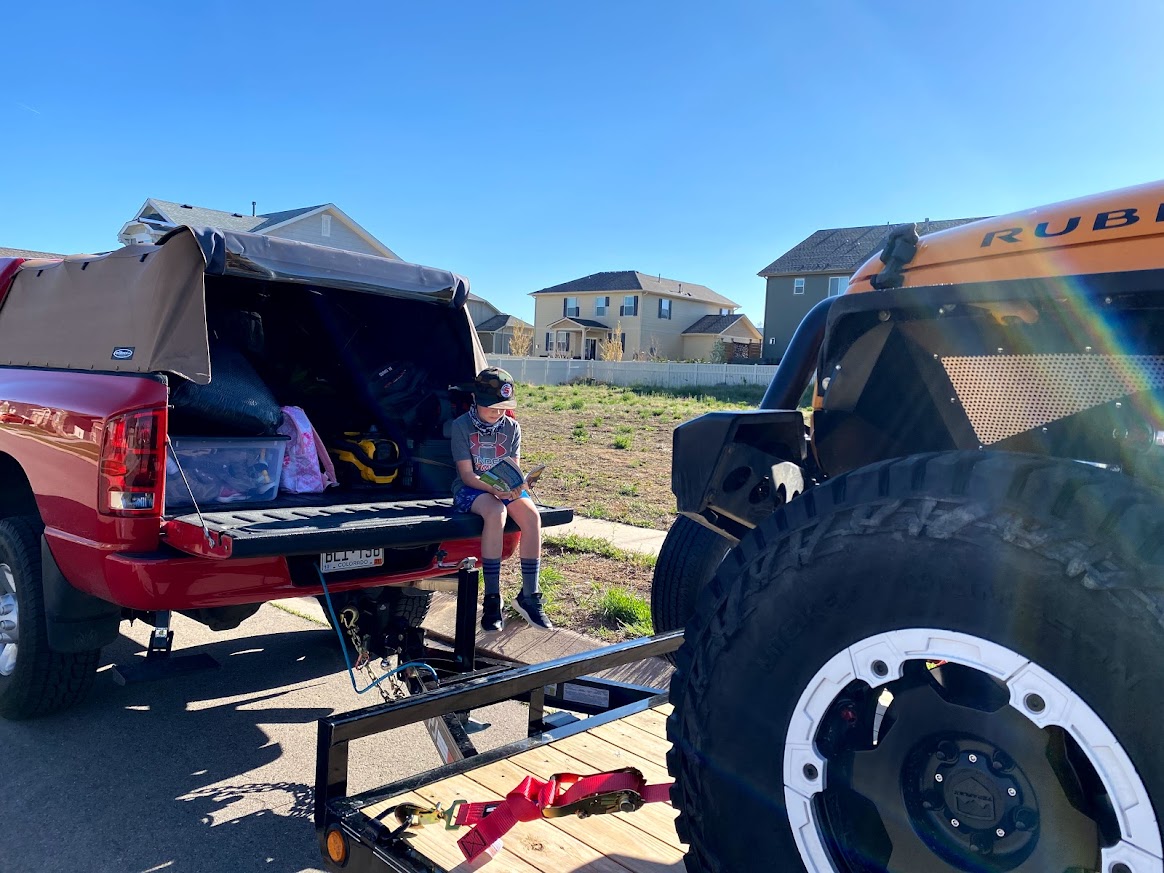
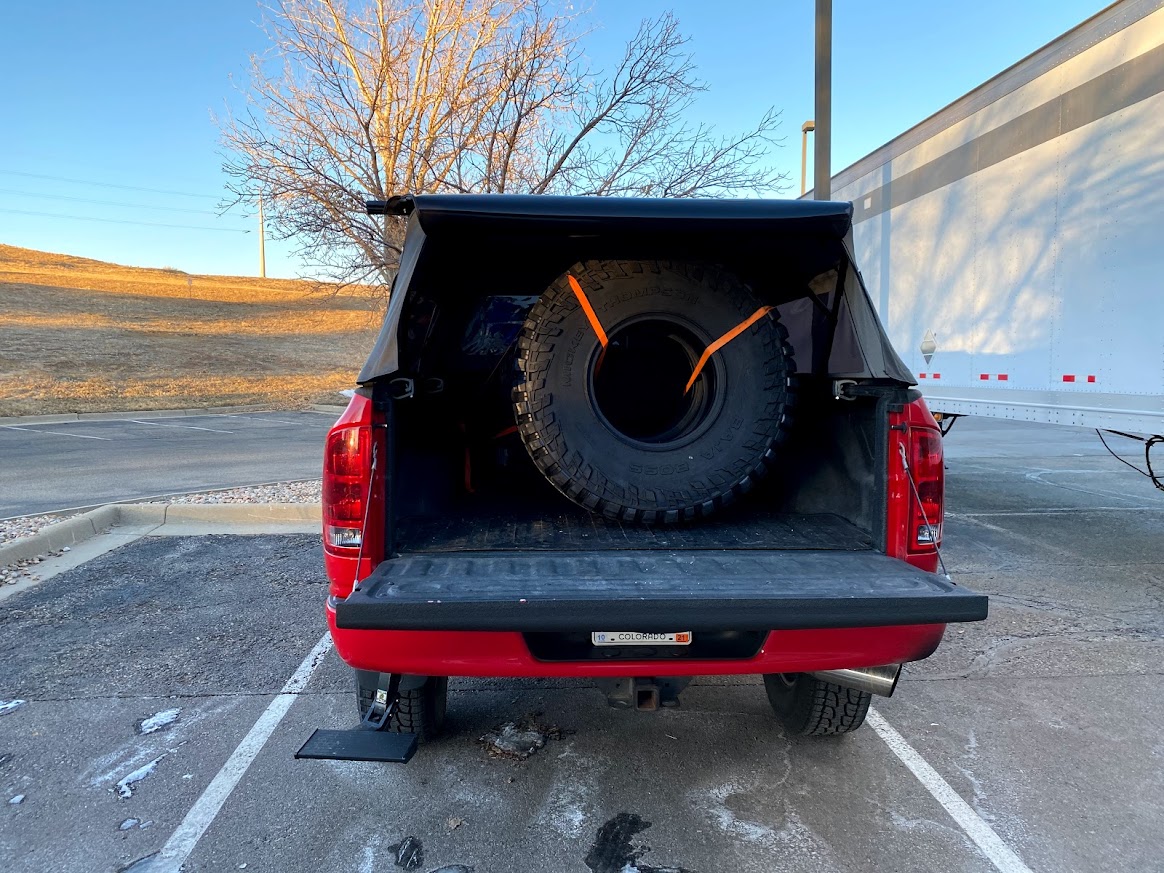
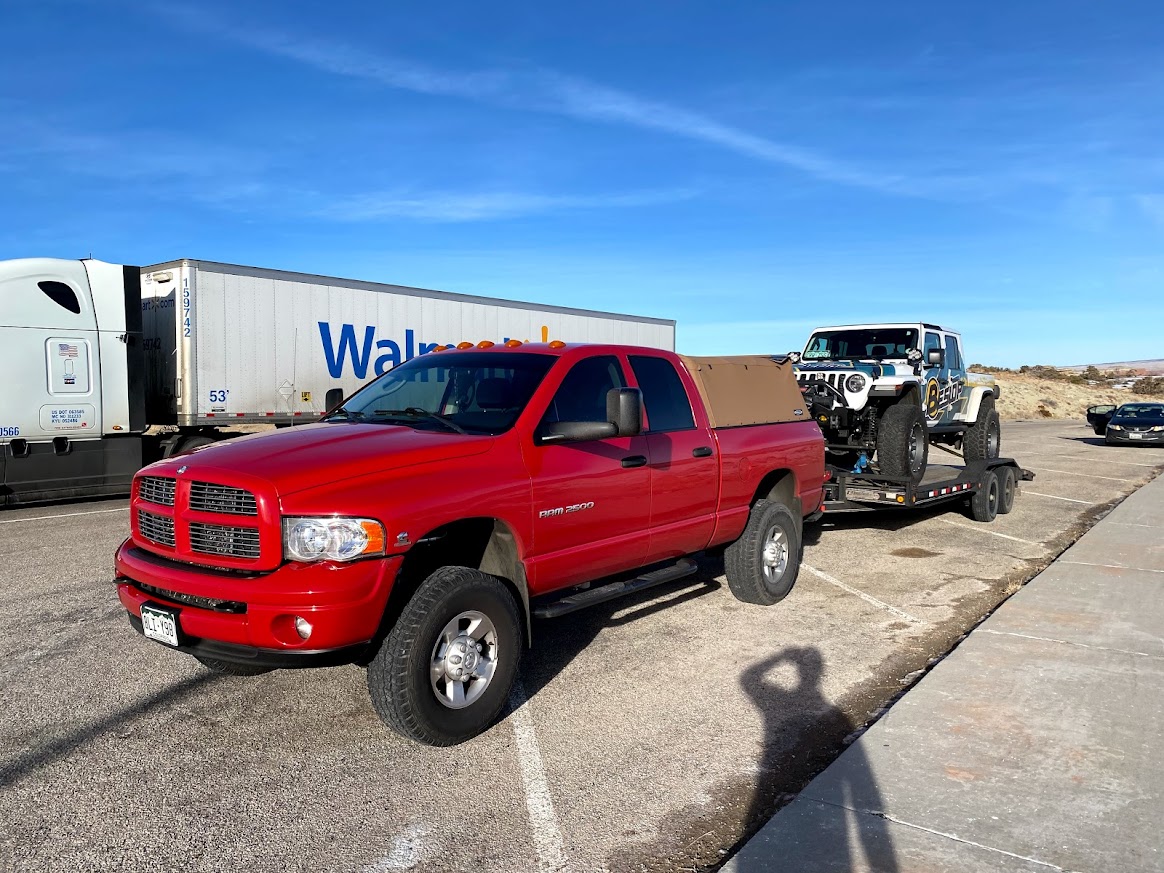

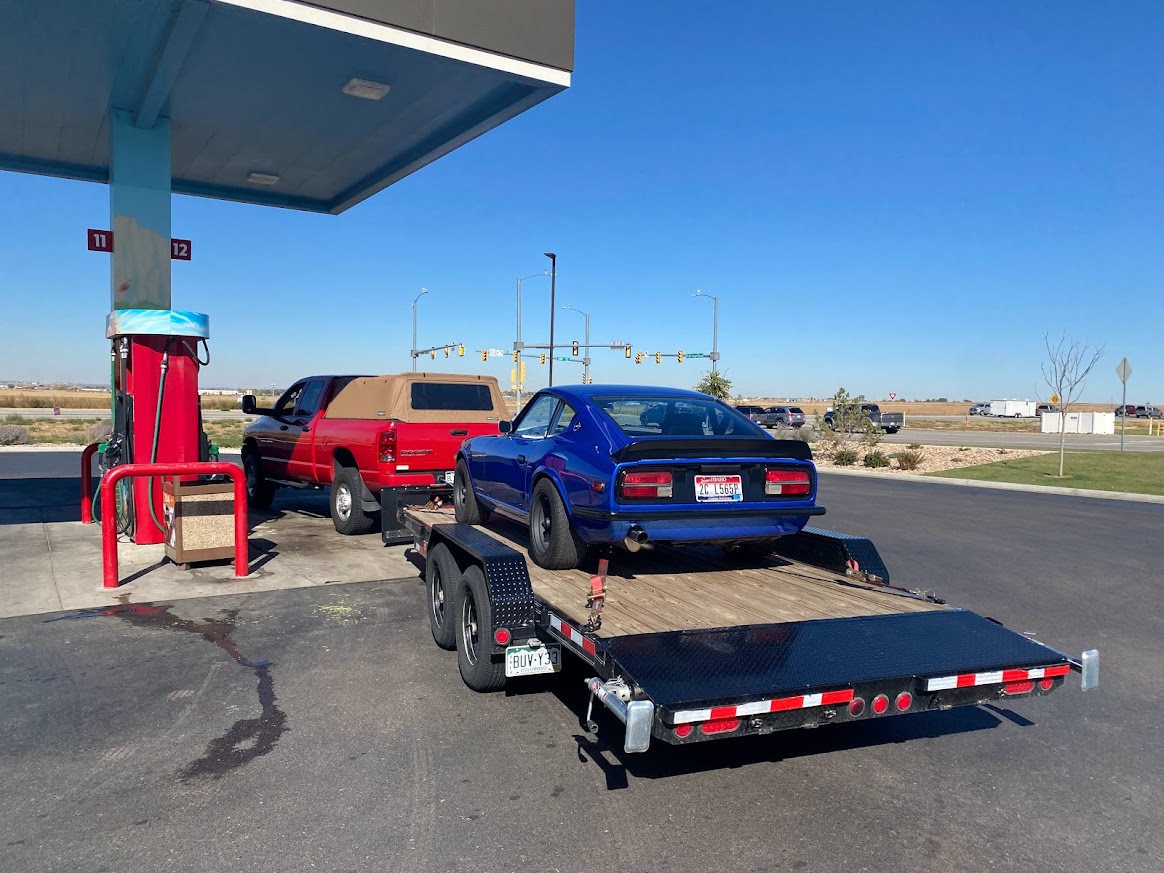
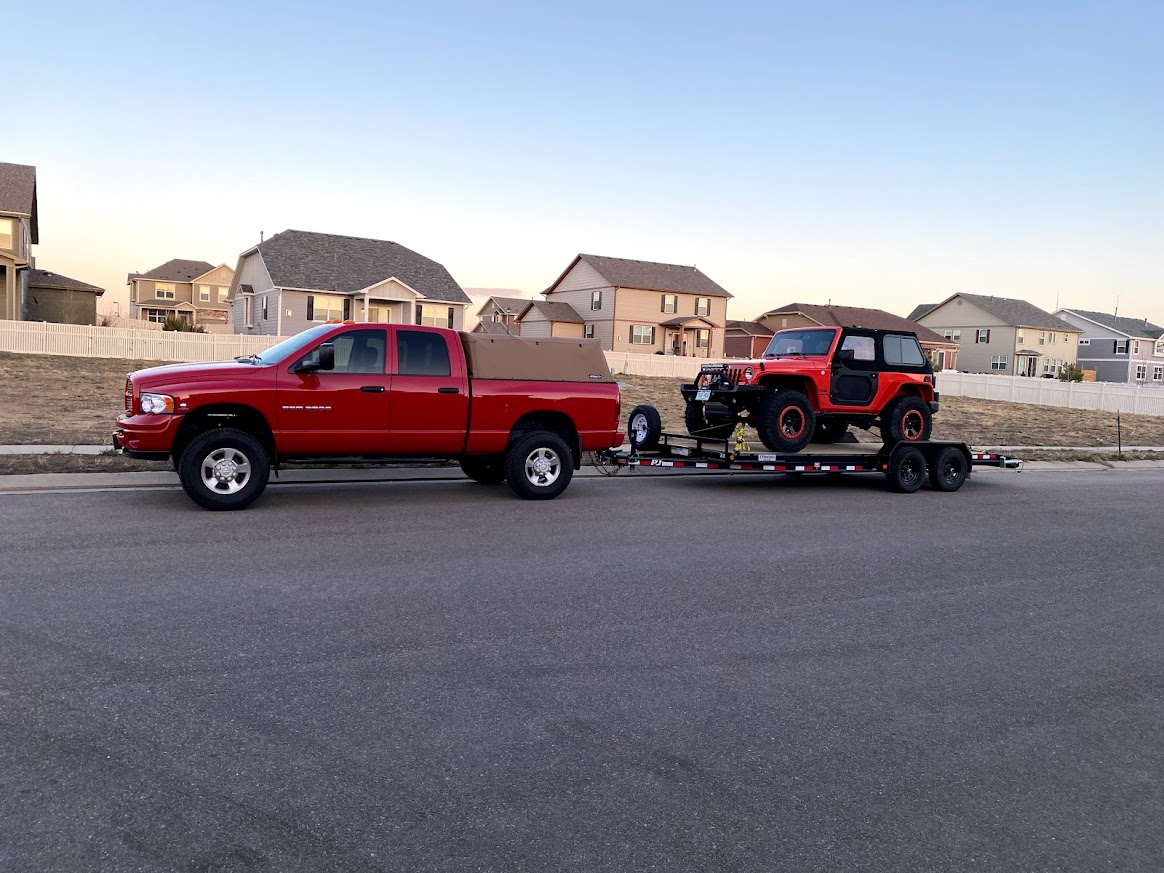
There is a particular stretch of I-70 that Truck Trend famously uses to test the towing capabilities of each manufacturer’s latest trucks. As I-70 approaches the Eisenhower Tunnel (regardless of eastbound or westbound), drivers are faced with 7 to 12 miles of sustained grades of 7%. It’s a treacherous road at any time of the year, but especially during the winter, when blizzards and ice are common. Overheated brakes and engines are always a point of concern, especially for those towing heavy loads. Even loaded with gear and a trailer with a Jeep with heavy tires and armor weighing it down, Clifford would grunt up the pass with ease. I would often find myself in the fast lane, passing slower traffic on the way up to the 11,000 ft summit, and the Cummins wouldn’t break a sweat.
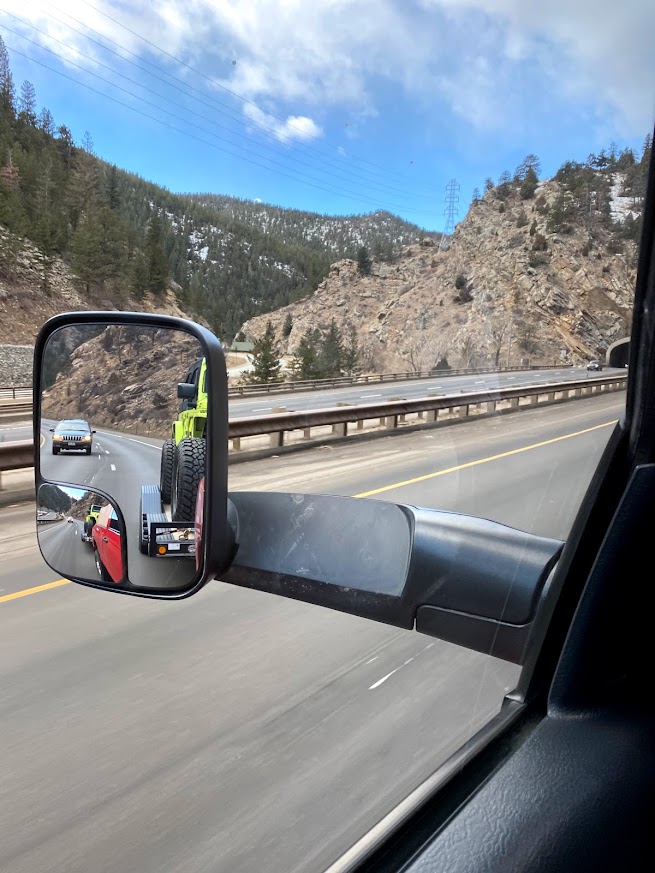

I miss most of the vehicles I’ve sold, but there are few that I regret selling as much as I do the red Ram. Its bullet proof reliability paired with its usable power, tough truck styling, and overall ruggedness made it one of the most versatile vehicles I’ve owned. 3rd generations rams with Cummins diesels are still a regular acquaintance with my search bar. There is nothing quite like having that confidence inducing thrum of a diesel power plant under your right foot.
 Main Street Rides
Leave a comment